
Oregon wine country is one of the best wine experiences in the United States, and I’m not just saying that because I live here. The Willamette Valley produces some of the finest Pinot Noir in the world. The Columbia Gorge and Hood River Valley are turning out cool-climate whites and reds that surprise everyone who tries them. And the Southern Oregon wine regions are making bold, warm-climate varietals that rival what you’d find in California’s best regions.
But wine tasting in Oregon feels nothing like Napa. There are no velvet ropes, no $75 tasting fees, no traffic jams. Oregon wineries are smaller, the tasting rooms are relaxed, the winemakers are often pouring your wine themselves, and the whole experience feels like visiting a friend’s really beautiful farm. My husband and I have spent more weekends in the Willamette Valley than I can count, and we’ve learned a few things along the way that make the experience even better.
Here’s everything you need to know about wine tasting in Oregon, from what to expect to how to plan the perfect tasting day. For specific winery recommendations, check my Willamette Valley wineries guide.
Oregon Wine Regions at a Glance
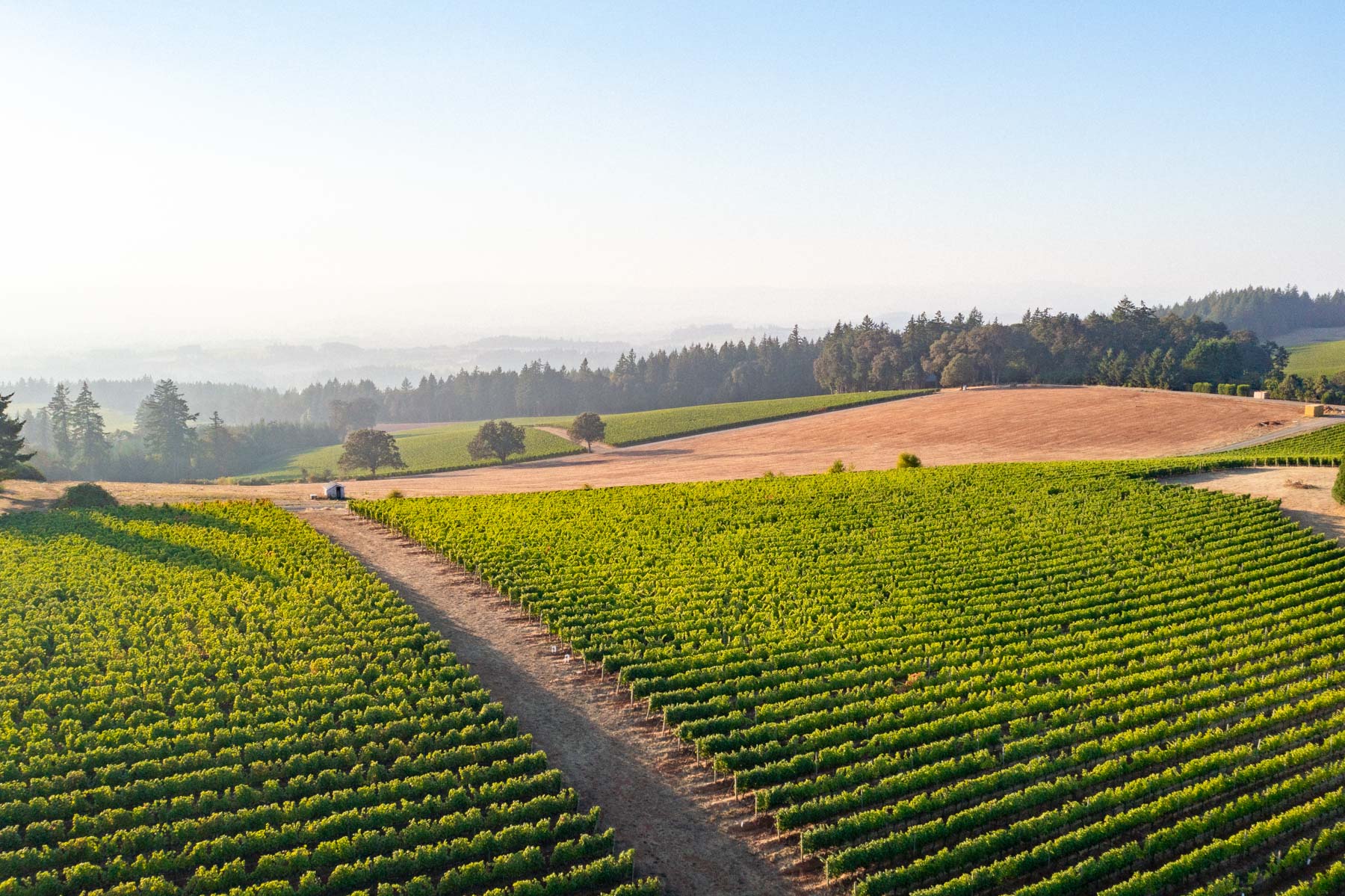
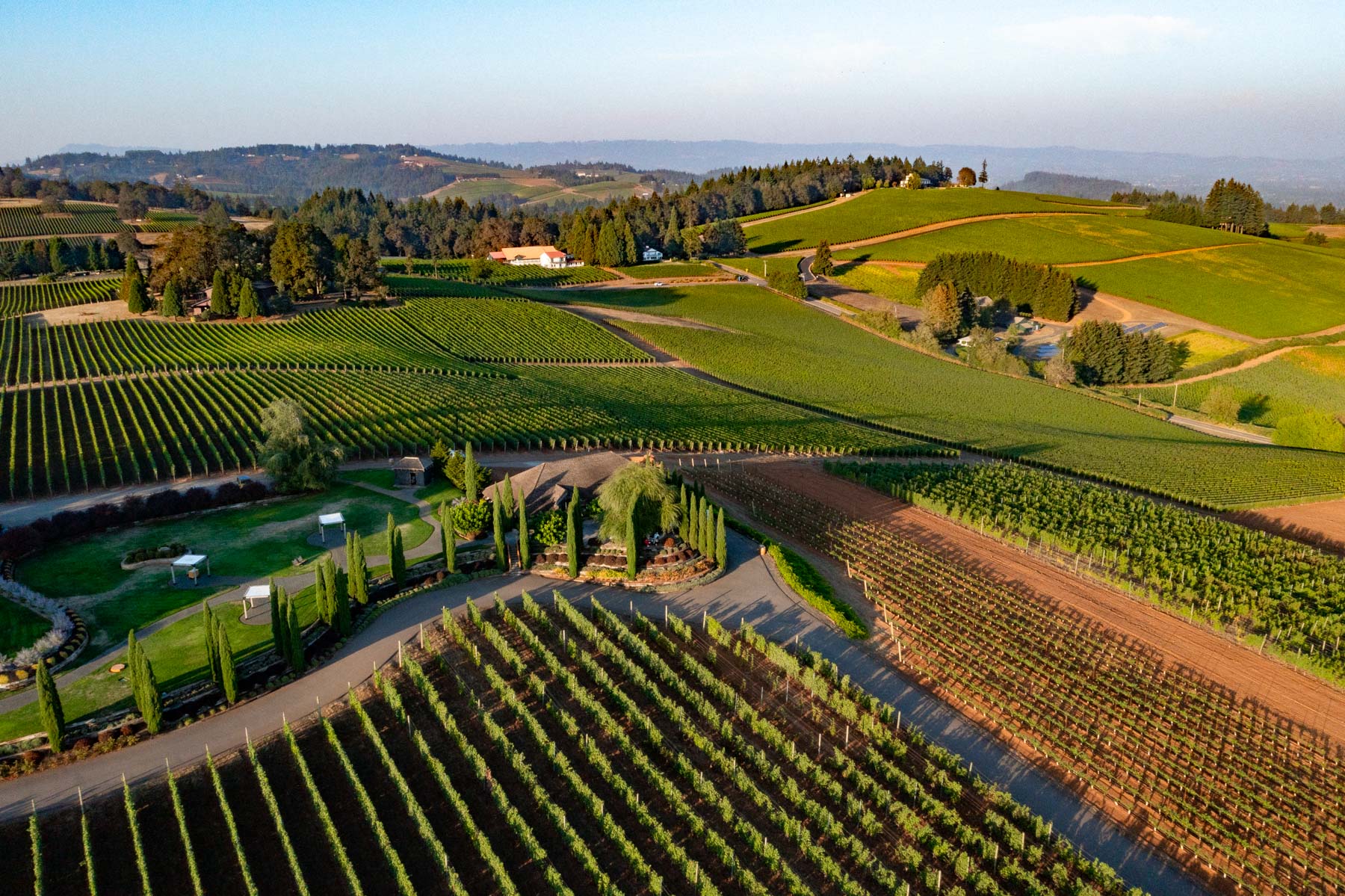
Willamette Valley is the flagship region and where most visitors start. About 45 minutes to an hour southwest of Portland, the valley is home to over 700 wineries and is well-known worldwide for Pinot Noir, Pinot Gris, and Chardonnay. The sub-regions (Dundee Hills, Eola-Amity Hills, Chehalem Mountains, McMinnville, Ribbon Ridge) each have their own terroir and personality. This is where you’ll find the most polished tasting room experiences.
Columbia Gorge and Hood River produce cool-climate wines (Pinot Noir, Riesling, Gewurztraminer, Pinot Gris) in one of the most scenic settings in Oregon. The tasting rooms are smaller and more casual than the Willamette Valley, and many have Mt. Hood views. It’s about an hour east of Portland. For more on the area, check my Hood River weekend guide.
Southern Oregon (Rogue Valley, Umpqua Valley, Applegate Valley) is warmer than the Willamette Valley and produces Tempranillo, Syrah, Cabernet Sauvignon, and Viognier alongside Pinot Noir. It’s less visited, which means smaller crowds and more one-on-one time with winemakers. About 4 to 5 hours south of Portland.
What to Expect at Oregon Wineries
Tasting Fees
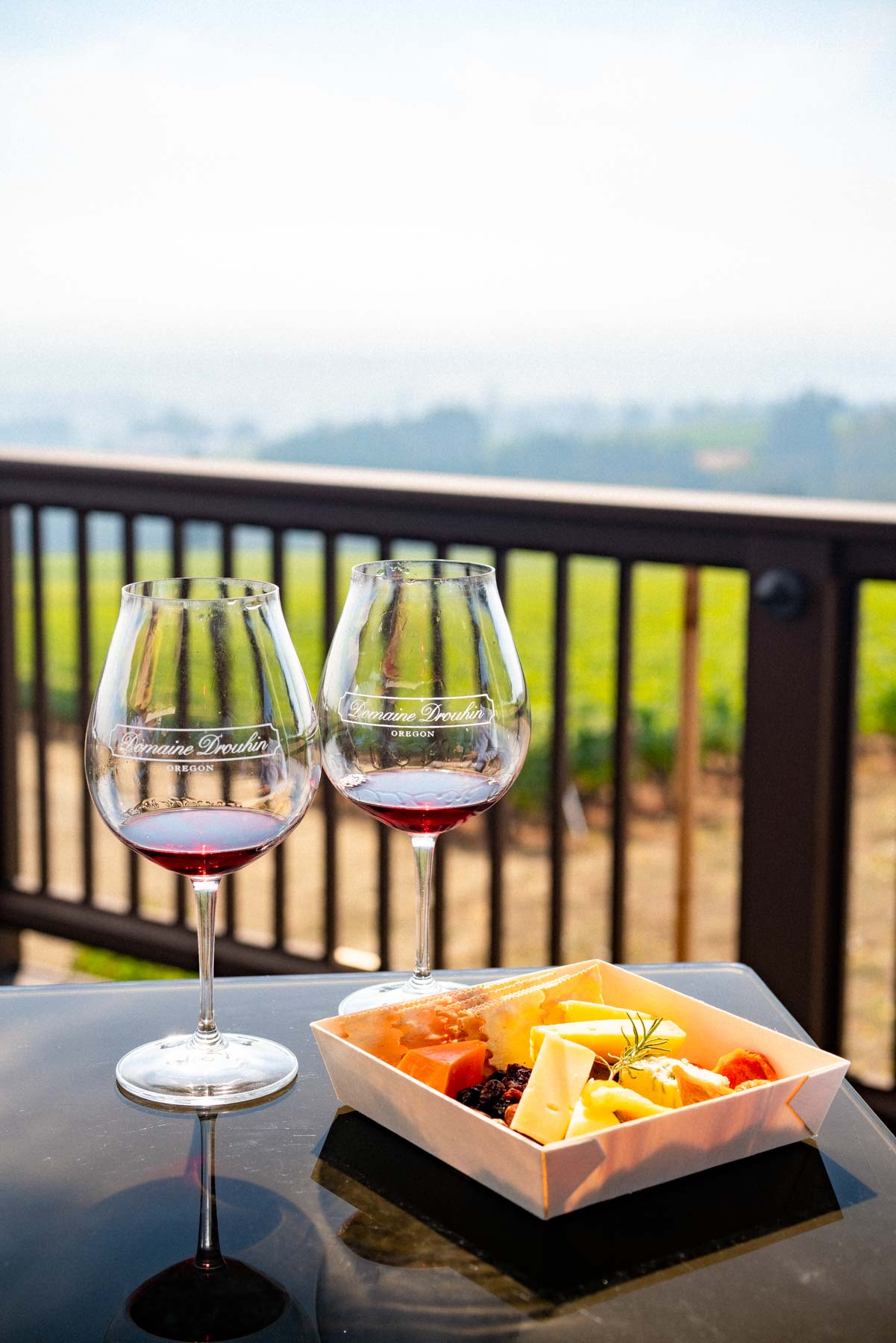
Most Oregon wineries charge between $15 and $30 for a tasting flight, which typically includes 4 to 6 wines. Some of the more established Willamette Valley wineries (Domaine Serene, Domaine Drouhin, Ponzi) charge closer to $35 to $50. Many wineries waive the tasting fee with a bottle purchase, which is a nice touch that’s less common in California. A few smaller operations still offer free tastings, though this is becoming rare.
Reservations
This is the biggest change in Oregon wine tasting over the past few years. Many Willamette Valley wineries now require or strongly recommend reservations, especially on weekends. Some wineries are reservation-only (no walk-ins at all). The Hood River and Southern Oregon regions are more casual and generally welcome walk-ins, but it never hurts to call ahead. My rule: always book for Saturday, and you can usually wing it on a weekday.
The Vibe
Oregon wine tasting is casual. You don’t need to dress up. Jeans, comfortable shoes (you’ll be walking vineyards), and layers are the standard uniform. The winemaker or owner might be the person pouring your wine. Conversations are genuine, not scripted. People are there to share something they care about, and it shows. If you ask a good question, expect a 20-minute answer and probably a barrel sample from the back room.

Tips for Planning a Wine Tasting Day
Limit Yourself to 3 or 4 Wineries
This is the most important piece of advice I can give you. Four wineries in a day is the sweet spot. Five is doable but rushing. Six is miserable. You want time to actually enjoy each stop, talk to the people pouring, sit on the patio, and take in the views. When you try to cram in too many, every tasting starts to blur together and you stop tasting anything meaningful by winery number five.
Eat Before You Start (and During)
Have a real breakfast before your first tasting. Then plan lunch somewhere between wineries two and three. The town of Carlton in the Willamette Valley has several excellent restaurants within walking distance of tasting rooms. McMinnville has even more options. In Hood River, downtown is full of restaurants. An empty stomach and wine tasting do not mix, and I’ve seen enough wobbly tourists at 2 PM to know this is universally ignored advice that shouldn’t be.
Designate a Driver or Book a Tour
Oregon’s wine country roads are rural, winding, and beautiful, which is exactly the kind of road you don’t want to drive after four tasting flights. If everyone in your group wants to taste, book a guided tour or hire a driver. Several companies run tours from Portland to the Willamette Valley starting around $100 to $150 per person, which includes transportation, tastings at 3 to 4 wineries, and sometimes lunch.
If you’re driving yourself, use the spit bucket at each winery. Nobody will judge you. It’s what professionals do, and it’s how you can taste at four wineries and still be fine to drive home.
Go on a Weekday If You Can
Weekday wine tasting in Oregon is a completely different experience from weekends. Smaller crowds, more personal attention from tasting room staff, easier parking, and no reservation stress. If you have the flexibility, a Thursday or Friday tasting day is significantly better than Saturday. Some wineries even offer weekday-only specials or behind-the-scenes tours that aren’t available on busy weekends.
Mix Big and Small
The best tasting days include a mix of well-known wineries and smaller, lesser-known ones. Start with a bigger name like Domaine Serene, Stoller, or Sokol Blosser for the polished experience and beautiful grounds, then visit a smaller family operation where you might be the only visitor and the winemaker walks you through every pour. Some of my favorite Oregon wines have come from tiny producers I’d never heard of before walking through their door.
What to Drink in Oregon
Pinot Noir is Oregon’s flagship grape and what put the state on the wine map. The Willamette Valley’s cool climate produces Pinot Noir that’s elegant, nuanced, and more Burgundy-influenced than California’s bigger, bolder style. If you drink one wine in Oregon, make it Pinot Noir.
Pinot Gris is Oregon’s most planted white grape, and the best versions are crisp, refreshing, and perfect for a summer afternoon on a winery patio. It’s the white you’ll see everywhere, and for good reason.
Chardonnay is having a moment in Oregon. The cool climate produces Chardonnay that’s balanced and bright, without the heavy oak and butter that turns some people off California versions. Oregon Chardonnay might be the most underrated wine in the state right now.
Riesling and Gewurztraminer thrive in the cooler pockets of the Willamette Valley and especially in the Columbia Gorge. If you think you don’t like Riesling, try an Oregon dry Riesling. It might change your mind.
Sparkling wine is the rising star of Oregon wine. Several producers (Argyle, Domaine Serene, Roco) are making world-class sparkling wine using traditional methods. It’s excellent and still underpriced compared to Champagne and top California bubbles.

Where to Go for Your First Oregon Wine Tasting Trip
If it’s your first time: Start in the Dundee Hills area of the Willamette Valley. It’s the heart of Oregon wine country, about 45 minutes from Portland, and has the highest concentration of excellent tasting rooms. Domaine Drouhin, Sokol Blosser, Argyle, and Stoller are all in this area, and you can easily visit three or four in an afternoon.
If you want a full weekend: Stay in McMinnville, which has the best dining scene in wine country, and use it as a base for two days of tasting. Day 1 in the Dundee Hills, Day 2 in the Carlton or Eola-Amity Hills area. For the full itinerary, check my Willamette Valley wineries guide.
If you want something different: Do a Hood River wine tasting day combined with a Fruit Loop drive and brewery stops. It’s a completely different vibe from the Willamette Valley and you can combine wine with outdoor adventure in the Gorge.
If you want off the beaten path: Southern Oregon’s Rogue Valley and Applegate Valley have incredible wineries with almost no crowds. It’s a longer drive (4 to 5 hours from Portland), but if you’re already headed to Crater Lake or Ashland, build in a tasting day.

Practical Details
Best time to visit: May through October is ideal. Summer (June through September) has the best weather and longest days. Harvest season (September and October) is magical because you can see the grapes being picked and the crush in action. Winter weekends are quieter and some wineries have special events or library tastings.
What to wear: Casual. Jeans, comfortable shoes (you’ll walk on gravel paths and vineyard rows), and layers. Mornings in the valley can be cool even in summer, and tasting rooms range from air-conditioned to open-air patios.
Shipping wine home: Most Oregon wineries will ship directly to you in states where it’s legal. If you’re visiting from out of state, ask about shipping before you buy a case. Oregon can ship to most states, but there are a few exceptions. Some wineries offer complimentary shipping with a certain purchase amount.
Kids and dogs: Many Willamette Valley wineries welcome kids and well-behaved dogs, especially on patios and grounds. Check individual winery policies before you go. Some of the more upscale tasting rooms are adults-only.
Quick Tips
- Here's everything you need to know about wine tasting in Oregon, from what to expect to how to plan the perfect tasting day.
- For specific winery recommendations, check my Willamette Valley wineries guide.
- For more on the area, check my Hood River weekend guide.
- My rule: always book for Saturday, and you can usually wing it on a weekday.
- When you try to cram in too many, every tasting starts to blur together and you stop tasting anything meaningful by winery number five.
Frequently Asked Questions
How much does wine tasting cost in Oregon?
Most tasting fees range from $15 to $30 per person for a flight of 4 to 6 wines. Some premium wineries charge $35 to $50. Many wineries waive the fee with a bottle purchase. A full day of tasting at 3 to 4 wineries will run about $60 to $120 per person in tasting fees alone.
Do I need reservations for Oregon wineries?
For Willamette Valley wineries on weekends, yes. Many now require or strongly recommend reservations, especially May through October. Weekday visits and Hood River/Southern Oregon wineries are generally more flexible with walk-ins. When in doubt, book ahead.
What is Oregon wine country known for?
Oregon is best known for Pinot Noir, particularly from the Willamette Valley. The cool climate produces elegant, Burgundy-style wines that have won international acclaim. Oregon also produces excellent Pinot Gris, Chardonnay, sparkling wine, Riesling, and (in Southern Oregon) warmer-climate reds like Tempranillo and Syrah.
How far is the Willamette Valley from Portland?
The nearest Willamette Valley wineries (Dundee Hills area) are about 45 minutes southwest of Portland. McMinnville, the main town in wine country, is about an hour. It makes an easy day trip from Portland, or stay overnight in McMinnville for a fuller experience.
Oregon wine tasting is one of the things I love most about living here. The wineries are beautiful, the winemakers are passionate, and the wine is genuinely world-class. Pinot Noir person or total beginner, Oregon’s tasting rooms are some of the most welcoming and rewarding you’ll find anywhere. What’s your favorite Oregon winery? Let me know in the comments.