
The empty quarter
Eastern Oregon
The honest verdict
Is Eastern Oregon worth it?
Is Eastern Oregon worth it? Yes, but be honest with yourself about the haul first. This is the least-visited corner of the state, and it earns that. You will drive for hours past nothing. Cell service drops and stays dropped. The nearest real grocery store can be 60 miles from where you’re sleeping. My husband and I love it out here, and we still only make it once every couple of years, because getting here is a commitment, not a detour. If you want big country, the darkest skies in Oregon, and the feeling that you’ve finally left everyone behind, this is the place. If you want convenience, it is not.
Come for
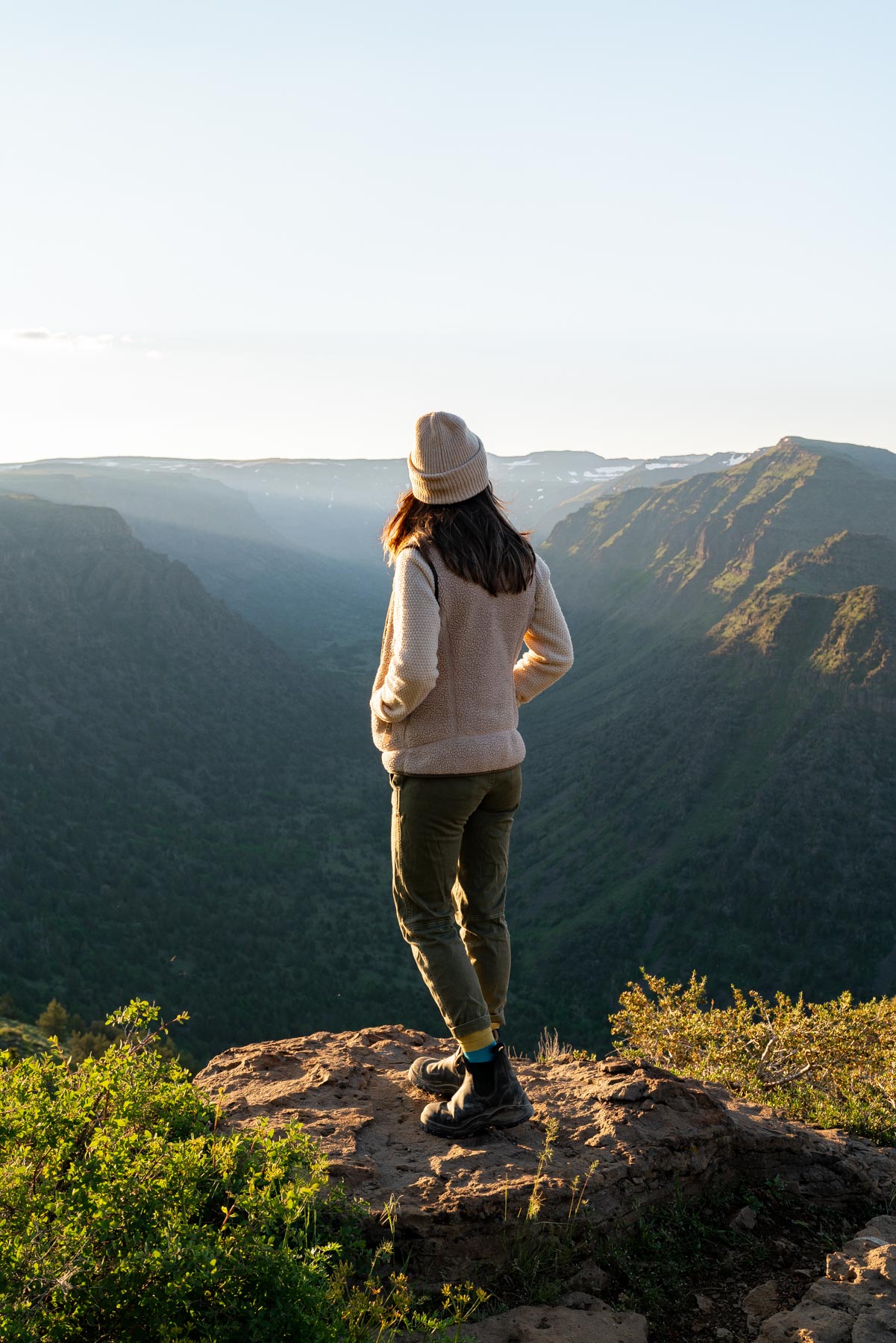
- The Steens Mountain Loop Road. A 59-mile gravel climb out of Frenchglen to nearly 10,000 feet, where the east rim drops a vertical mile straight down to the desert. It’s the highest road in Oregon and one of the most dramatic things I’ve stood at the edge of.
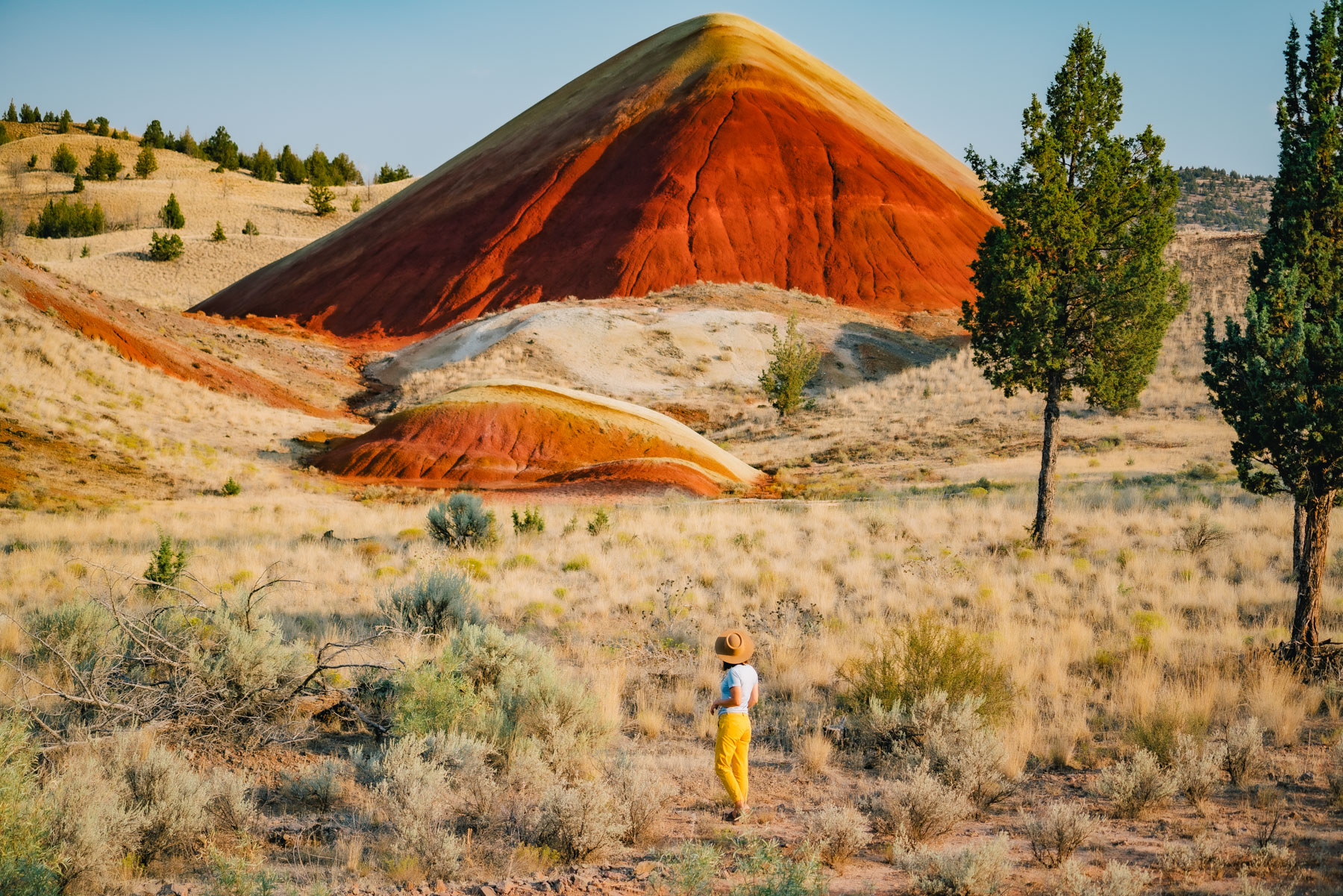
- The Alvord Desert. A dry alkali lakebed you can actually drive across, with the Steens wall rising right behind it and a hot spring at the edge. Stay overnight and the silence is total.
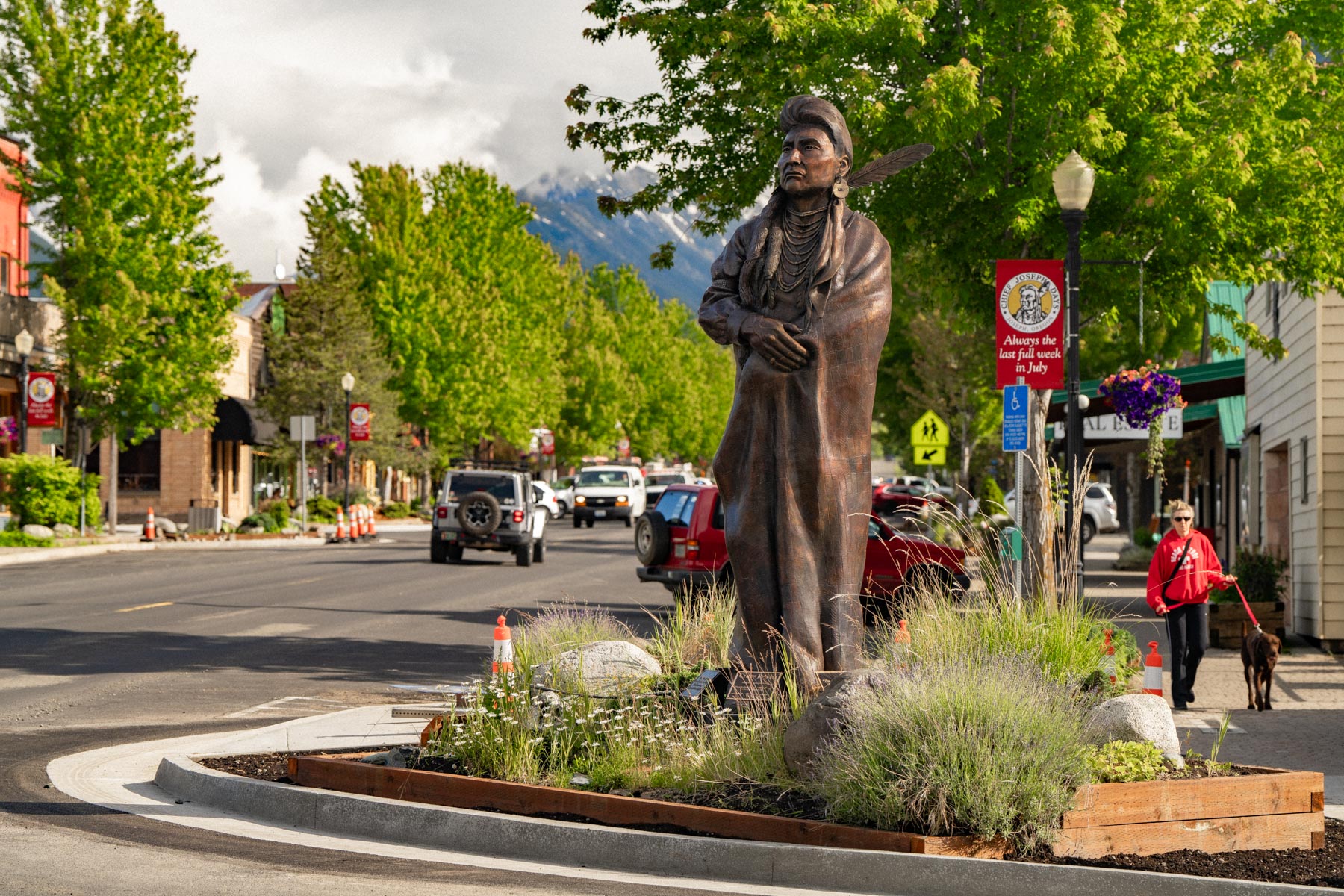
- The Wallowas and Joseph. The northeast corner is a different world: alpine peaks over a glacial lake, a bronze-foundry town with sculptures down Main Street, and the steepest tramway in North America hauling you 3,700 feet up Mt. Howard.
- The sheer emptiness. Hells Canyon is the deepest gorge on the continent, the skies out here are about as dark as the Lower 48 gets, and you can go a long way without passing another car. That’s the whole point.
Skip it if
- The distance is a dealbreaker. Five to seven hours from Portland to reach the trailhead of your trip, and the two anchors are another five-plus hours apart from each other. Nothing about this is close.
- You need services on hand. Restaurants close early or seasonally, lodging is limited and books out, and gas stations are far enough apart that you plan your tank around them. Fields Station’s burger is the only hot meal for a long stretch.
- You’re going in high summer and don’t do heat. The Alvord floor and the low desert bake. Shade is rare, water is on you to carry, and afternoons can be brutal.
When to go
Eastern Oregon in every season
The Steens Loop is open and the high country is finally clear, but the desert floor gets hot and the bugs near the refuge water can be miserable in early summer.
My favorite window. Cooler days, golden aspens on the Steens, thinner crowds, and the loop usually still open into late October.
The Steens Loop is still gated by snow up high, but Malheur Refuge lights up with migrating birds. Late April to early May means the most birds and the fewest mosquitoes.
The high road is closed, services thin out further, and storms move in fast. Beautiful and stark if you’re prepared, but most of the marquee drives are off the table.
Plan your trip
How long do you need?
Honestly, a day isn’t enough, and I won’t pretend otherwise. The bare minimum is one anchor only and a willingness to spend most of the day in the car. If you have a single day from Bend, drive to Frenchglen, do as much of the Steens Loop as the gates allow, and turn around. You will not also see the Alvord, and you absolutely will not also see the Wallowas. Pick one thing.
Drive in early
Leave at first light. From Bend it’s about three hours to Frenchglen; from Portland, plan most of the day. Treat the drive as part of the trip, not a chore to rush.
Malheur Refuge to Frenchglen
Roll through the refuge on your way south, then check into the historic Frenchglen Hotel or your campsite. Eat where and when you can, kitchens close early.
Dark sky
Step outside after dinner. There’s nothing between you and the stars out here, and it shows.
Steens Loop Road
Drive the gravel loop up toward the summit and walk out to the east rim overlook. The mile-deep drop to the desert is the picture you came for. Allow the better part of the day.
Down to the Alvord
Loop back around the south end of the Steens to the Alvord Desert. Drive out onto the playa if it’s bone dry, soak at the hot spring, and watch the wall light up at sunset.
Fields Station
If you’re staying near Fields, grab the burger and a milkshake. It’s the only hot meal for many miles and it’s earned its reputation.
One more look
Sunrise on the Alvord or a last slow pass through Malheur. Don’t pack the morning tight; the drive home will eat the rest of the day.
The road back
Top off your tank before you commit to the highway, and give yourself the full five to seven hours back without pretending it’ll be faster.
The real way to do it is a full week and a deliberate split. Give three or four days to the southeast (Frenchglen, the Steens, the Alvord, Malheur, Fields), then make the long transfer northeast for three or four more in the Wallowas (Joseph, Wallowa Lake, the tramway, a Hells Canyon overlook). Accept that the drive between the two halves is most of a day, and treat it as its own leg rather than a quick hop.
Lay of the land
How it all connects
Think of Eastern Oregon as two regions that happen to share a name. The southeast is high desert: Frenchglen, the Steens, the Alvord, Malheur Refuge, Fields. The northeast is mountains: Joseph, Wallowa Lake, the Eagle Cap, Hells Canyon. They are not near each other. The drive between the two anchors is most of a day across mostly empty country, so plan to do one or commit to both with a full week, not to bounce between them on a whim.
Where to stay
Frenchglen / Steens
The Frenchglen Hotel is the classic stay, a handful of rooms with shared bathrooms and a set-time dinner. Book well ahead. Otherwise it’s BLM campgrounds. There is no town here in any real sense.

Alvord Desert / Fields
Camping on or beside the playa, a few rustic options near Fields Station, and that’s about it. Come self-sufficient with water, food, and a full tank. This is the most remote night of the trip.
Joseph / Wallowa Lake
The most actual lodging out here: cabins and resorts near Wallowa Lake, plus inns and rentals in Joseph and Enterprise. Still books out in summer, so reserve early.




Why trust me on Eastern Oregon
I grew up in Oregon and I’ve spent my life chasing the parts of it most people never reach, and Eastern Oregon is still the corner I get to least. That’s the honest truth of it: it’s far enough that even a lifelong Oregonian doesn’t get out here on a whim. But every time my husband and I make the drive, standing on the Steens rim or watching the Alvord go pink at dusk, it reorders what I think Oregon is. I’d rather tell you straight how long the road is than oversell a long-weekend version that doesn’t exist.
The field notes letter
Field notes from Oregon
Where I’ve been in Oregon lately and what’s worth the drive right now. No spam, ever.