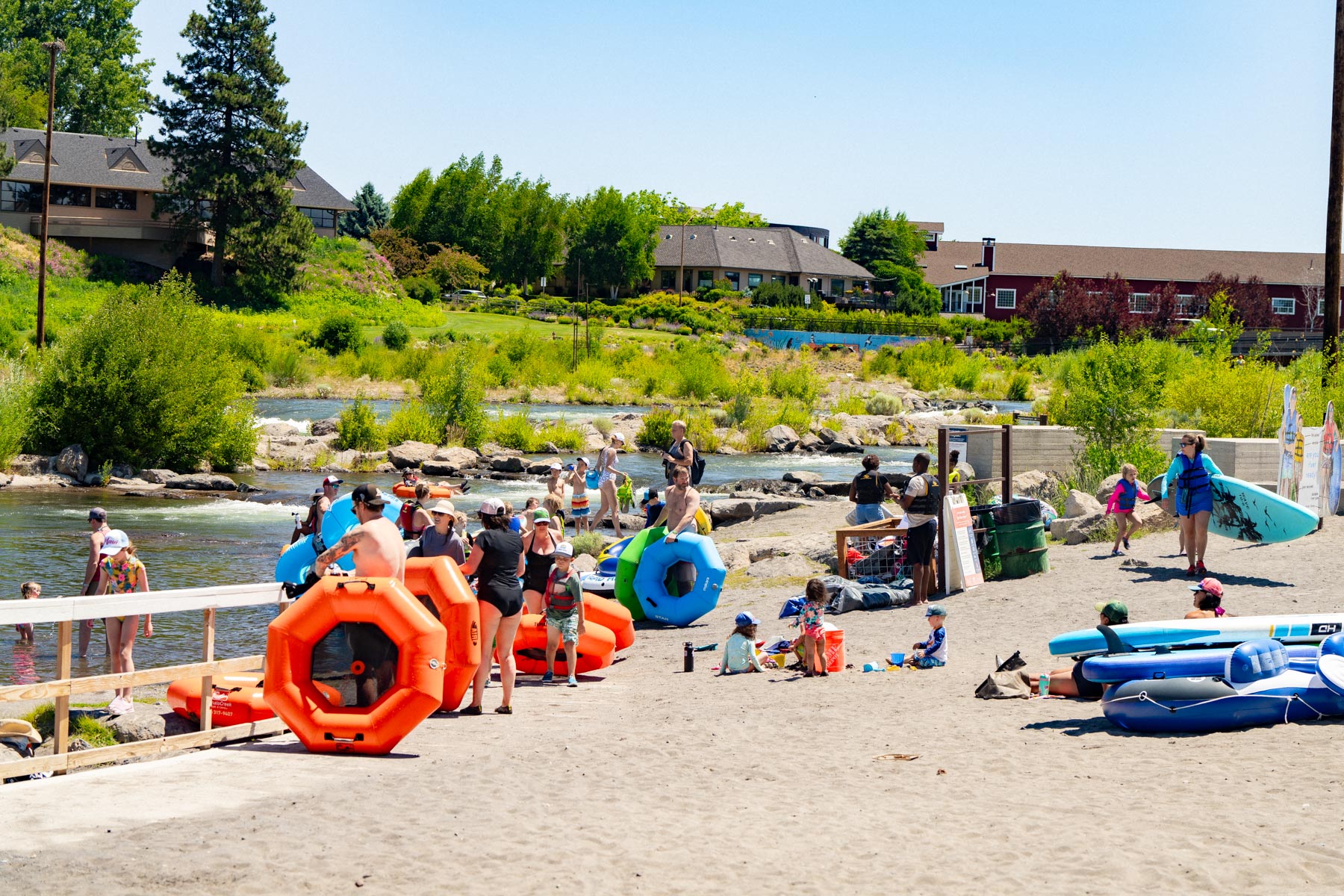

Thinking about moving to Portland? I’ve lived here for 30+ years and thought it’d be helpful to share a quick list of the pros and cons of living in Portland, Oregon.
Hopefully my experience answers some of your questions, if not, please don’t hesitate to reach out. I’d love to help!
Ah, Portland.
The city known for keeping it weird and residents that grow chickens in their backyards. But is Portland really that weird? If a picture’s worth a thousand words, the video below may leave you speechless.
As you read the list, keep in mind that these pros and cons are based on my personal experience, not everyone feels the same way. Over the past few years the city has gone through some growing pains. The “dream of the 90s” hits a bit different now, but living in Portland still has so many perks worth mention. Let’s dive in!
The short version
After 30+ years here, my honest take: Portland is a fantastic place to live if you value food, nature, and an easy-going pace over flash, and it’s genuinely turning a corner after a rough few years. Think twice if gray winters wreck your mood or you need a big, polished city.
- Great for foodies, beer and coffee lovers, anyone who wants nature 30 minutes away, walkable-neighborhood people, and remote workers chasing quality of life.
- Think twice if you can’t handle months of gray (SAD is real here), you want a high-energy big city, or a high state income tax would sting.
- Top pros: world-class food and coffee, proximity to nature, walkable neighborhoods, no sales tax, dreamy summers.
- Top cons: gray winters, steep income taxes, housing costs, and homelessness that’s still visible (though downtown is recovering fast).
2026 Update: A few things have changed since I first wrote this post. Downtown has seen some new restaurant openings and a few more businesses returning. The housing market has cooled slightly from its pandemic peak, making Portland more accessible for newcomers. And the food scene? Better than ever. I will note updates throughout the post where things have shifted.
Visiting Portland? Check out my list of the 25+ Best Things to Do in Portland (+5 Tourist Traps to Avoid)

Why trust me about living in Portland?
I’m Antonina, a lifelong Oregonian born and raised in Portland. I’ve spent my whole life in Portland (I also lived in New York City for a few years). I love the City of Roses but completely understand that living in Portland isn’t for everyone.
In this post I’ll share my firsthand experience on what daily life in Portland is like. The good, the bad, and the weird. Like most locals, I’m not keen on sugarcoating things or adding positive spins on issues that warrant being called out, so let’s have a real conversation below.
Living in Portland, Oregon
Click for a the Table of Contents
Is Portland a Good Place to Live?
- Why trust me about living in Portland?
- Living in Portland, Oregon
- The Perks of Moving to Portland
- 1. Portlanders Care About the Environment
- 2. Portland is a Millennial City
- 3. The Casual Vibes & Easy-Going Locals
- 4. Job Opportunities
- 5. Proximity to Nature
- 6. Walkability & Manageable Size
- 7. Charming Neighborhood Vibes
- 8. There’s No Sales Tax
- 9. The Portland International Airport
- 10. The Summer Weather
- 11. Portland’s Food Scene
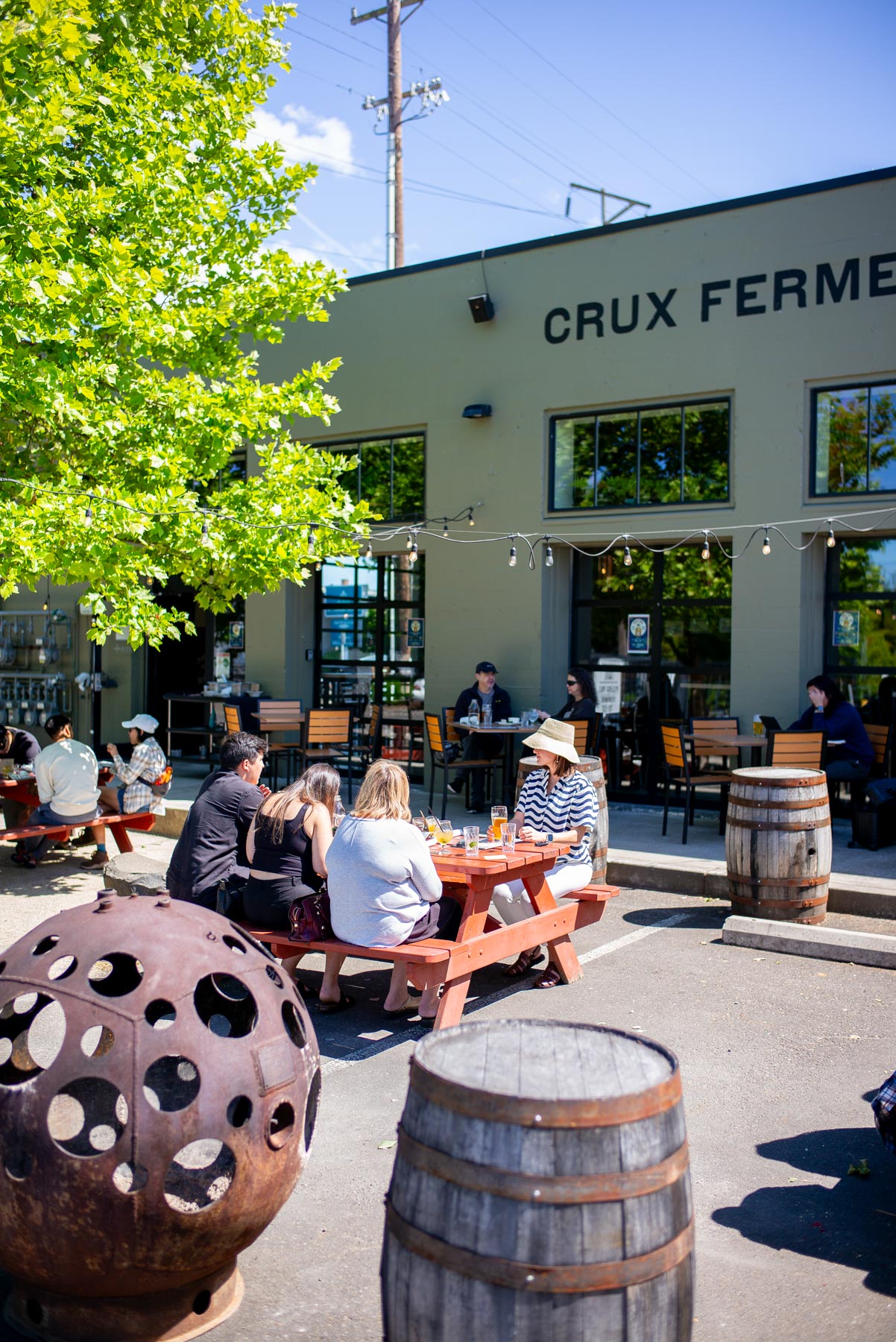
- 12. Portland’s Beer Scene
- 13. High Quality Coffee
- The Cons of Living in Portland
- 1. Homelessness
- 2. The Unreasonably High Tax Burden
- 2. Seasonal Affective Disorder (SAD)
- 3. Housing Costs
- 4. Reserved Locals
- 5. Nightmare Traffic
- 6. Portland Lacks Diversity
- 7. AC, what’s that?
- 8. City Government Feels Less Responsive
- 9. The Downtown Leaves a Lot to be Desired
- 10. The Fentanyl Crisis
- 11. Crime Rates Have Spiked
- What’s Next for Portland?
- Summary of the Pros & Cons of Living in Portland, Oregon
- Compare the Pros & Cons of Life in Portland
The Perks of Moving to Portland

1. Portlanders Care About the Environment
As a city, Portland is very environmentally conscious. In fact, Portland consistently ranks among the greenest cities in America, landing in the top 10 year after year.
By and large, locals don’t litter, know how to compost and recycle properly, and shop local whenever possible (as opposed to frequenting big chain retailers). Heck, in 1971 Oregon became the first state to introduce a bottle deposit to address littering concerns.
Respect for the environment is a big deal and the daily habits of locals reflect that. Most of my co-workers avoid plastic waste like the plague (opting for reusable glass containers and insulated coffee cups instead).
After 30+ years of living in Portland, I’d walk half a mile to the nearest compost site rather than toss a banana peel in the trash (sounds strange, but it’s true!).
Likewise, Portland recently passed a green tax for large corporations, using the revenue to fund energy efficiency initiatives in underserved communities. Making it the first city in America to pass such an progressive tax.
On a legislative scale, Oregon is considered one of the greenest states in the country because of its strong focus on climate change. In March 2020, Oregon’s Governor signed an ambitious executive order (EO 20-04) directing agencies to aggressively reduce 1990 greenhouse gas emissions by 45% by 2035; and 80% by 2050.
2. Portland is a Millennial City
Portland has a decent mix of generations, but through and through, it feels like a millennial city. So, what does that mean for daily life? Well, expect a ton of businesses and events that cater to the millennial palate (handmade crafts, vintage clothes and plants… lots of plants).
This makes Portland a great place to meet folks going through similar phases in life (if you’re a millennial, of course). But I don’t want to paint a false picture because in my experience, Portlanders tend to be reserved (which we’ll discuss in depth shortly).
Don’t get me wrong, Portlanders are friendly, just reserved.

3. The Casual Vibes & Easy-Going Locals
Perhaps this goes hand-in-hand with being a millennial city? I’m not sure, but I love the easy-going culture here. Granted, it’s changed adjusted over the last few years, but Portland still feels more relaxed than most US cities I visit.
What better way to explain this than by example? I work in an office and wear jeans 4 days a week, and so does my boss. You’ll very seldom see someone in a suit on our city streets, we simply don’t do that here. We’re big on outdoor recreation and most of our closets reflect that, even in the office. Khakis reign supreme!
Portlanders are known for embracing individuality and creativity, they can appreciate the nuances of living life off the beaten path. Uniqueness is celebrated!
4. Job Opportunities
The plenty (and diversity) of job opportunities in Portland definitely makes it easy to live here. There’s a lot of big employers in town, like Nike, Adidas, Under Armor, Keen and Columbia. In the tech field? Intel and Daimler have bases here as well.
If you work in healthcare, you’ll be happy to know that Oregon Health & Science University (OHSU) and Providence Health & Services are some of the city’s largest employers.
The Portland metro area’s unemployment rate tends to track close to the national average.
Did you know? Portland’s tech boom has earned the city a new moniker, Silicon Forest.

5. Proximity to Nature
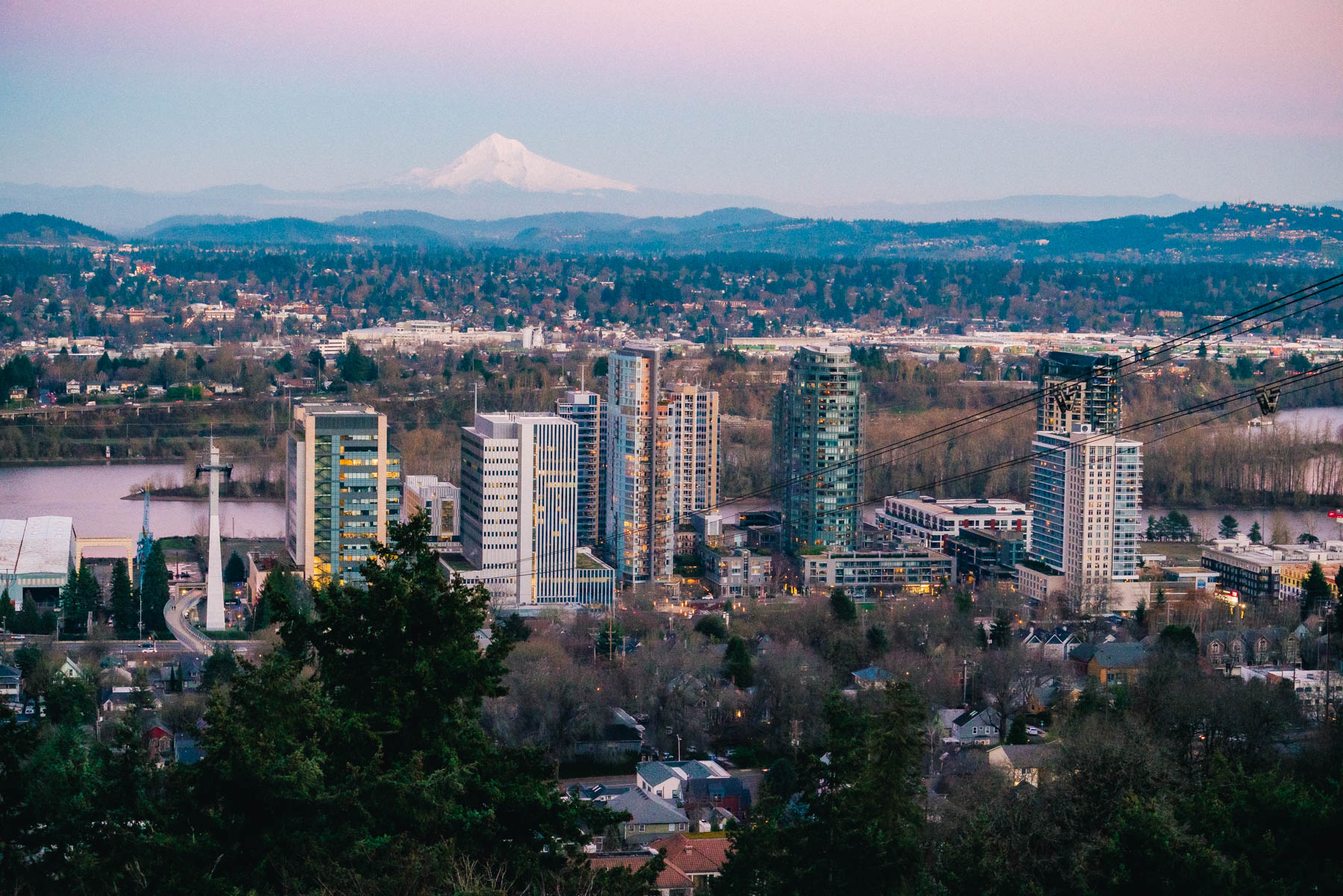
Perhaps my favorite thing about living in Portland is the beauty of the Pacific Northwest. There’s a reason the 7 Wonders of Oregon are such a hot commodity!
Portland a short drive away from some remarkable places, like the Columbia Gorge (windsurfing capital of the world), Bend (the second fastest growing city in the country), the Oregon Coast, Crater Lake National Park and the Alvord desert.
Waterfalls? Plenty. Beaches? Yep. Deserts? Covered. Mountains? Which one? There’s never a shortage of something new to explore.
But honestly, you don’t even need to hop in the car to explore the incredible scenery while living in Portland. Here’s a list of my favorite hikes within city limits.
My pick, the best thing about living here
Proximity to nature.
It’s my single favorite thing about Portland, and I don’t say that lightly. The Columbia Gorge, the coast, Mt. Hood, and Bend are all a short drive away, and Forest Park’s hikes start inside the city. The food and coffee are world-class too, but the nature is what I’d miss most if I ever left.
6. Walkability & Manageable Size
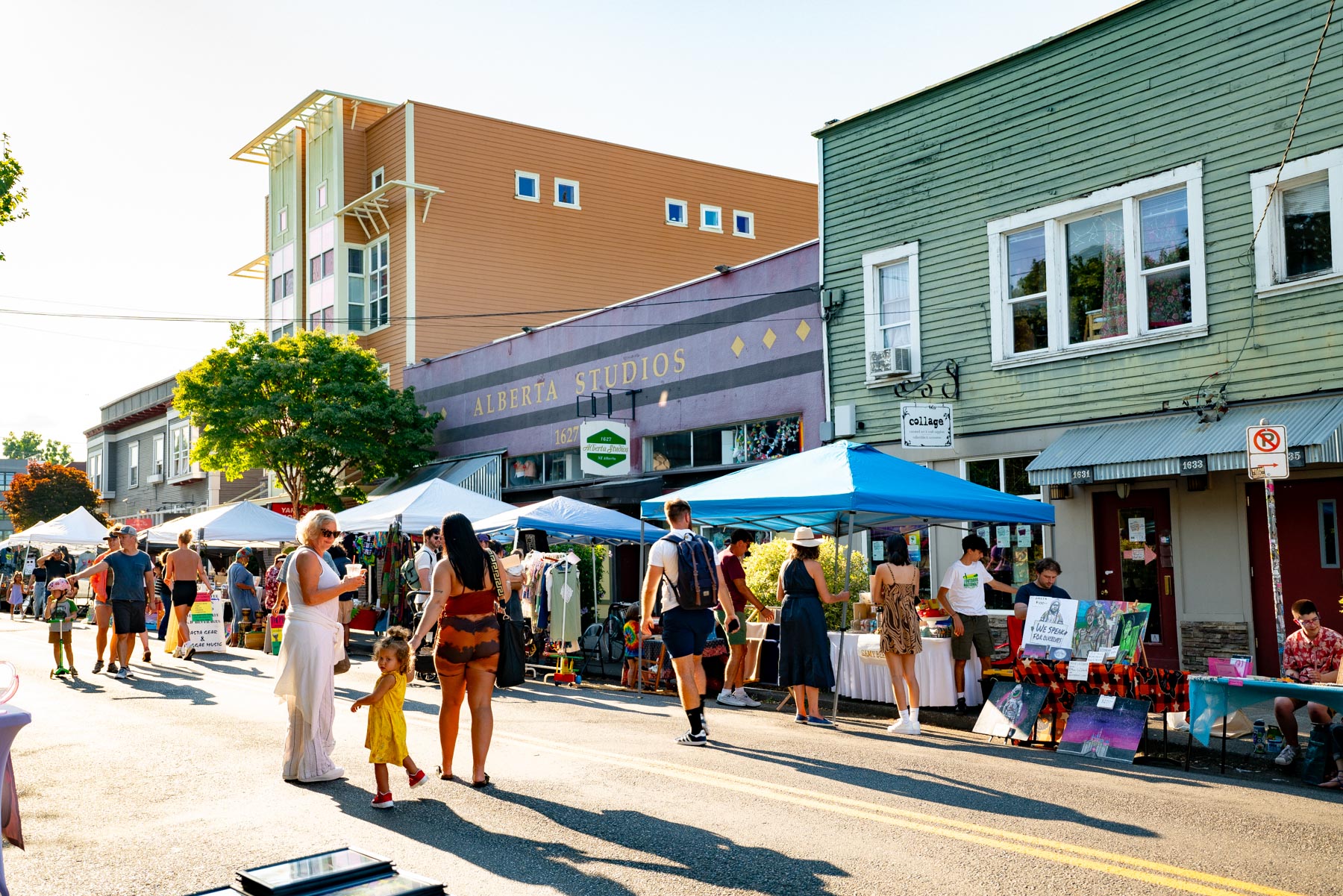
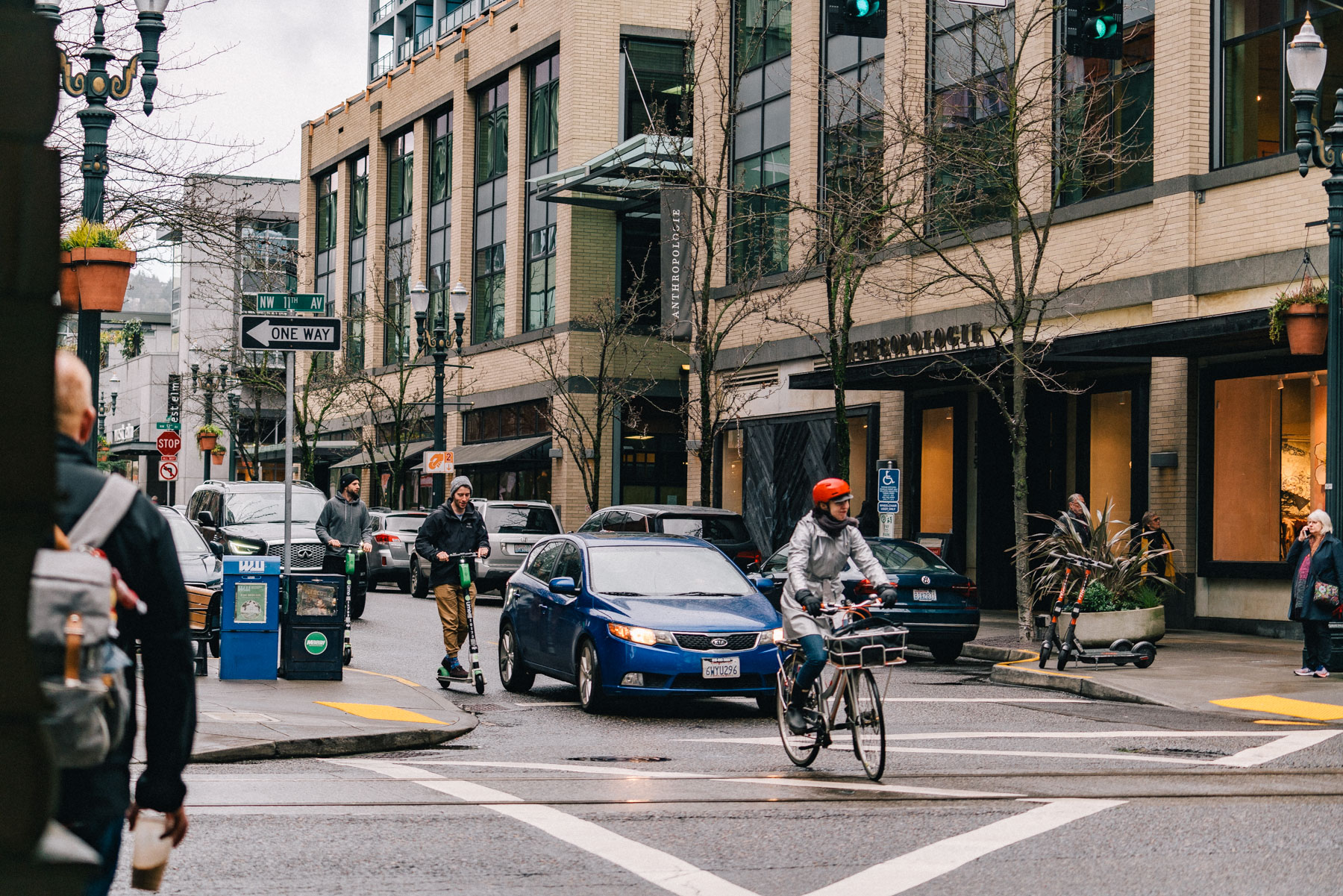
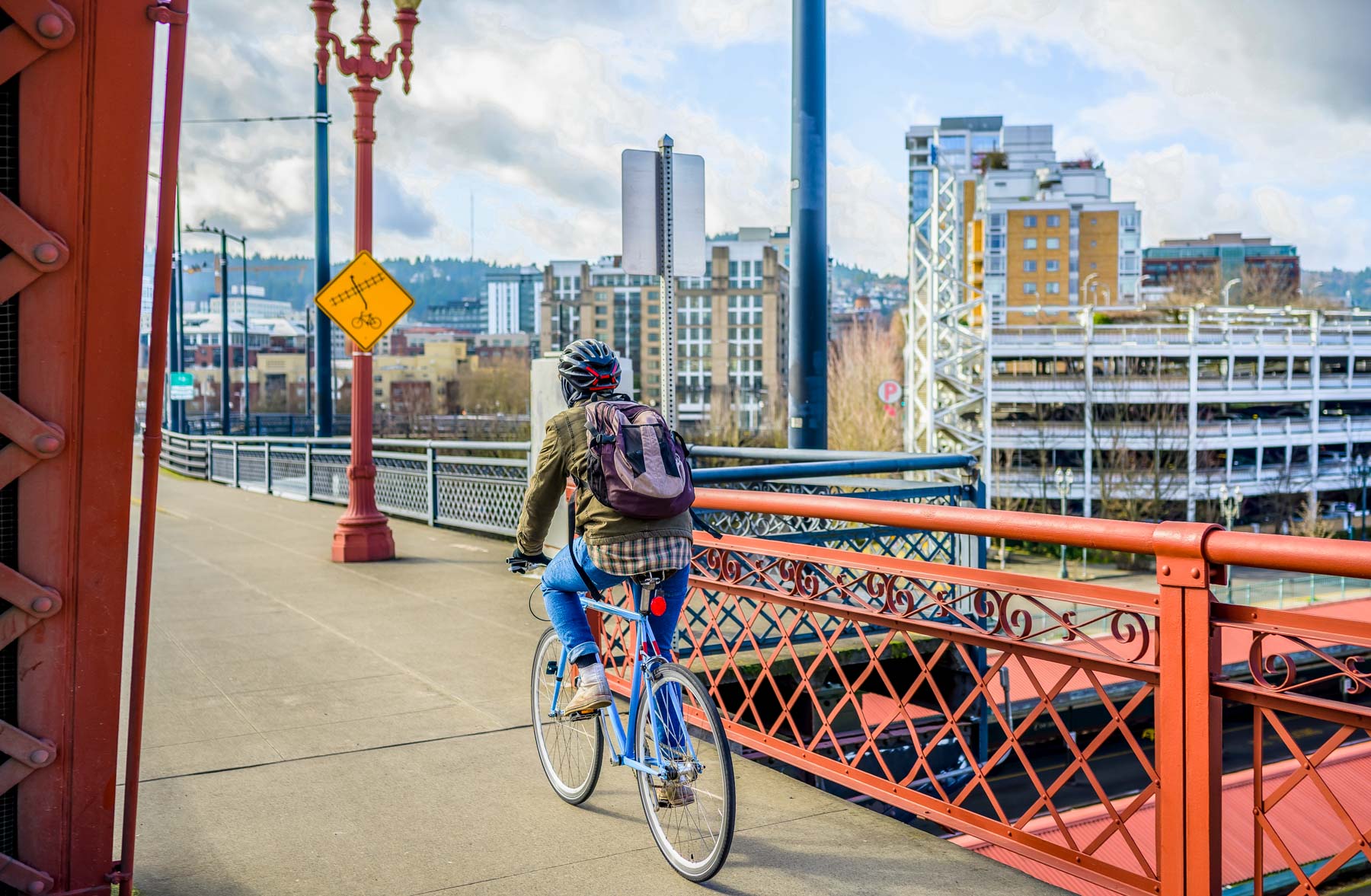
Another perk of moving to Portland is the city’s walkabilty. Portland feels manageable because it’s not a big city (like our northern sister, Seattle). Most neighborhoods are built around main streets that serve as hubs for dining and entertainment, making it easy to get by without a car.
The city has a well-connected network of sidewalks, bike lanes, and public transit options which encourages a car-free lifestyle. I especially love our current neighborhood, Northwest (here’s photos of our apartment).
Portland’s dedication to walkability, made evident by pedestrian-friendly urban design, not only promotes a healthy lifestyle but also makes it easier to form a sense of community. I mean, you’re more likely to start a conversation with a stranger when you’re not sitting in a car by yourself.
7. Charming Neighborhood Vibes
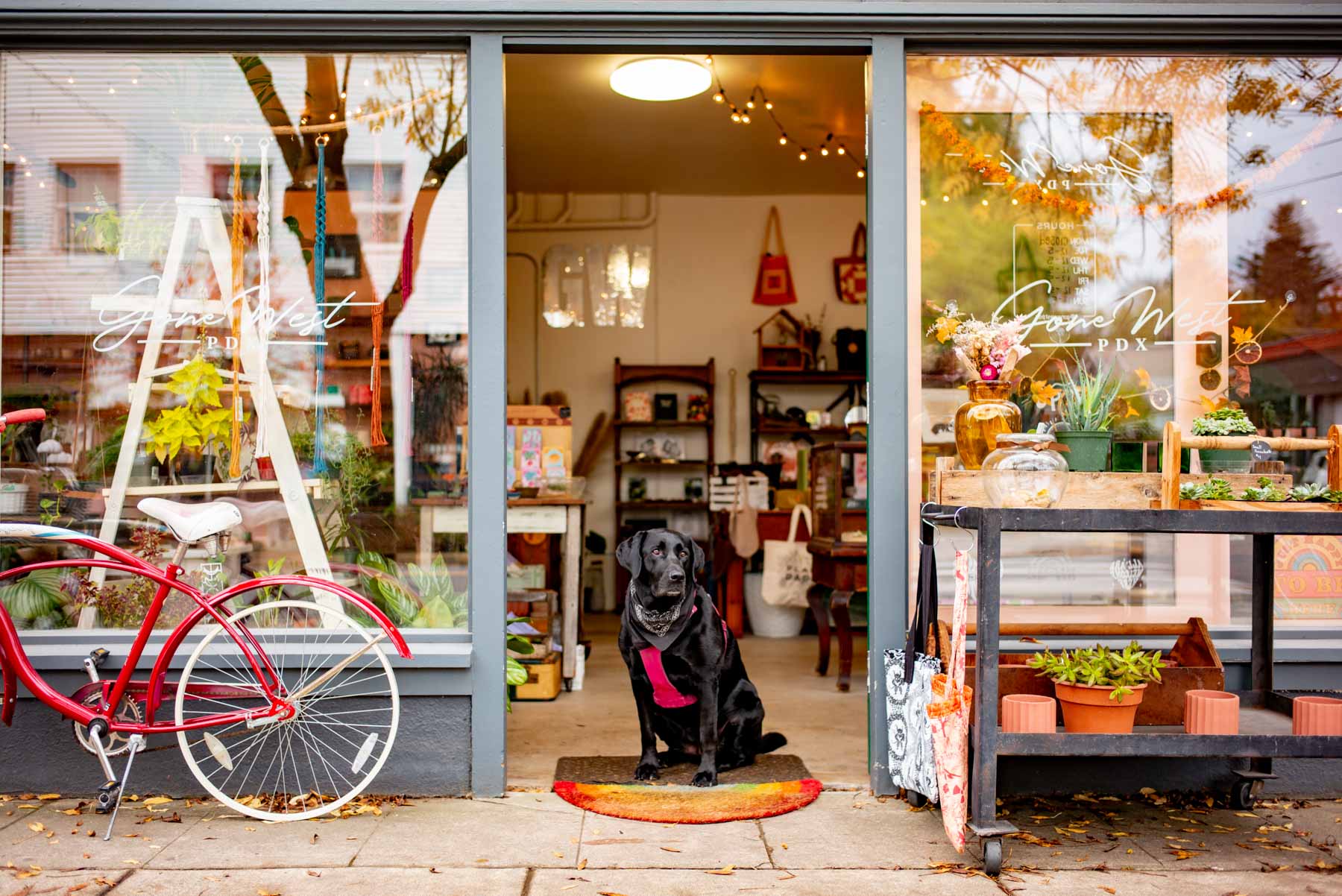
Portland’s charm isn’t found in towering skyscrapers, but rather the unique neighborhoods. In fact, that’s one of my favorite things about living in Portland.
I think what separates Portland neighborhoods from other cities is that you’ll seldom find “housing farms” where all the homes on the block look the same.
Many neighborhoods in Portland weren’t built in mass clusters. Rather, homes on blocks were built during different time periods so it’s not uncommon to see a home built in 1904 neighboring a home built in 1930 – it makes for some beautiful and unique neighborhoods.
Further reading: These 8 Charming Neighborhoods Will Make You Fall in Love With Portland

8. There’s No Sales Tax
Trying to decide if moving to Portland is right for you? Well, here’s something that may sway your decision a bit: Oregon is one of five states that doesn’t impose a sales tax.
Which means anything you buy in Portland will be sold to you tax-free. If you’ve been eyeing a MacBook or an iPhone, pick it up in Portland! In turn, this saves hundreds, if not thousands, a year on larger purchases like computers, jewelry, appliances, furniture and clothing.
9. The Portland International Airport
For many folks, one of the best things about living in Portland is the Portland International Airport (PDX), which Travel + Leisure ranked PDX the best airport in the country every year from 2013-2019.
This is largely due to the airport’s convenient layout and ease of navigation, with a single terminal for both domestic and international flights. Better still, PDX is well-connected with direct flights to major domestic hubs and international destinations.
This is a big deal for our family because my husband averages two flights a week. Based on his travels, he believes Portland’s airport to be the easiest to manage.
Everything from departing to arriving is a pleasant experience and, coming from someone that averages 100,000 miles a year, that’s saying something.

10. The Summer Weather
Summer in Portland is a real dream. Unlike most of the year, you can count on sunshine from mid-May through mid-September and the lack of humidity (and bugs) makes it easy to enjoy being outside.
In fact, most of our friends refuse to leave Portland because of the blissful summer season (they’d sooner rent a place to escape the winter than move out completely). Unlike many other parts of the country, Portland’s summers are relatively rain-free, with clear skies and warm, dry days.
The city benefits from a phenomenon known as “marine influence,” where cool ocean breezes temper the inland heat, preventing extreme temperatures. This maritime climate also contributes to comfortable evenings with cooler temperatures. All this to say, the summer weather is one of my favorite things about living in Portland.
Good to Know: Portland is considered one of the least challenging places to live for allergy sufferers.

11. Portland’s Food Scene
As the hometown of James Beard, Portland is no stranger to phenomenal food. The city’s exciting food scene is one of many reasons people are moving to Portland in droves. You can live in Portland for 10+ years and still find yourself discovering new restaurants, like I do.
Portland’s reputation as a food destination is bolstered by its emphasis on creativity and quality, with most chefs sourcing ingredients directly from local farms and producers.
The options span the gamut! From elaborate farm-to-table restaurants to unfussy quick bites at the cities popular food cart pods, you’ll never go hungry while living in Portland.
Here’s my absolute favorite cookbook from a local chef, I consider it a non-negotiable purchase before moving to Portland.

12. Portland’s Beer Scene
Did you know that Portland is often rated as the best beer city in America? This should come as no surprise, considering there’s 58 breweries in the city.
Portlanders take beer seriously, especially craft beers and IPAs. As a result, breweries are held to a (very) high standard. Grab a flight from any breweries and find yourself perplexed by the pleasant depth of interesting notes and flavors while discussing whether moving to Portland is right for you.
Hint, by the second pint the answer is usually yes.
Further Reading: My personal guide to the 15 BEST breweries in Portland, Oregon.
13. High Quality Coffee
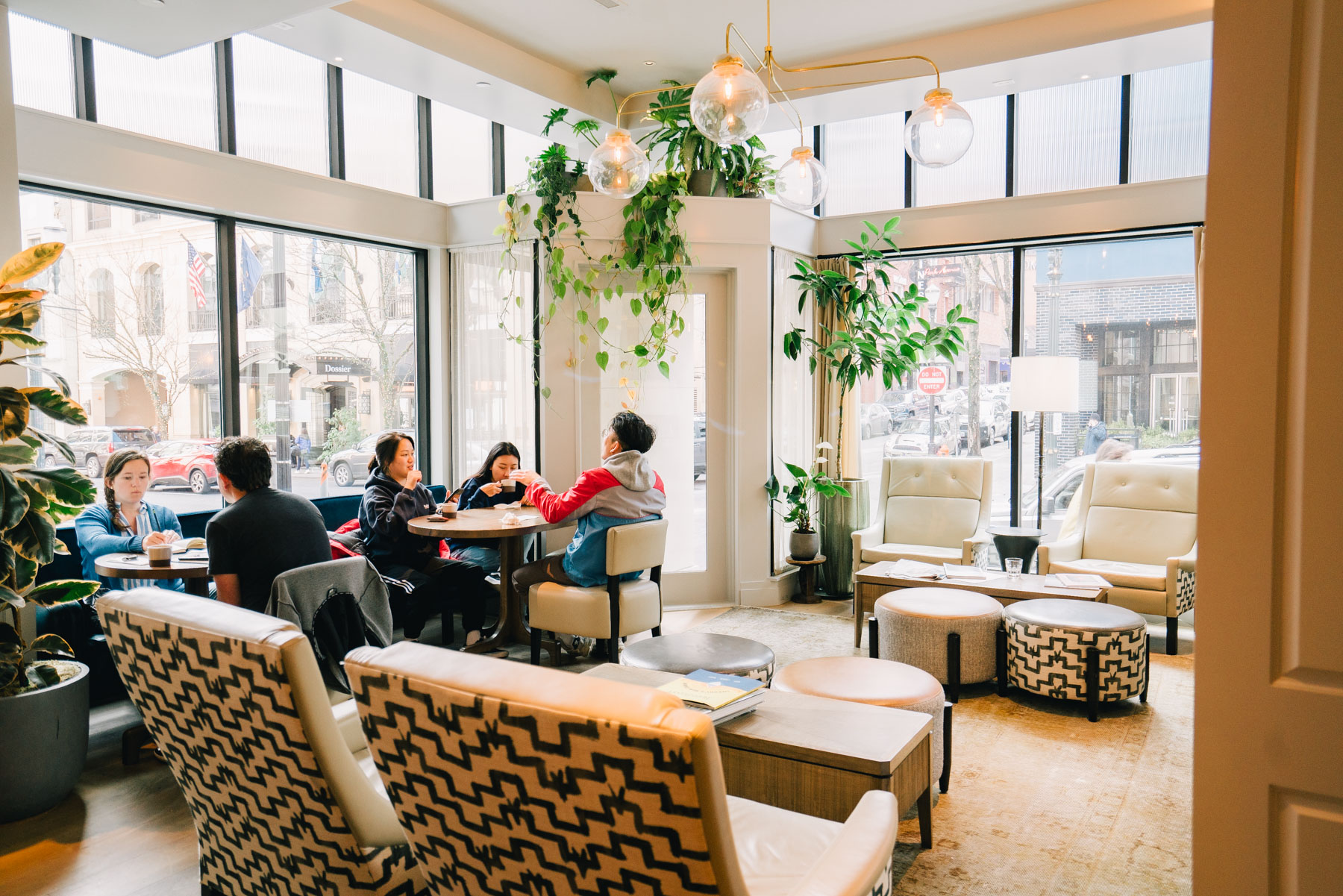
Year after year, Portland is listed as one of the top 3 coffee cities in America, which is a huge perk of living in Portland.
Quality coffee is taken SO seriously and locals can’t help but benefit from it. The intense knowledge Portland baristas have regarding sourcing, roasting and preparing beans is mind blowing.
I feel like I can ask a question about anything related to coffee and someone will have an answer for me. I mean, I once had a barista deep dive on the topic of oat milk for 10 minutes.
Further Reading: 15+ Charming Portland Cafes You Can’t Help But Love
The Cons of Living in Portland
I would be remiss if I didn’t mention some of the disadvantages of living in Portland. There’s pros and cons to everything and, as much as we love Portland, here’s some things we don’t necessarily enjoy about daily life in PDX.
1. Homelessness
Okay, before I open this can of worms, allow me to acknowledge the fact that homelessness if a very contentious issue, especially so in the past 3-5 years. The city’s homeless crises is evident and severe, and locals tend to fall into one of two camps.
Those that sympathize fully (and want better resources for the homeless population) and those that have had enough. It’s been interesting to watch the sentiment change starkly in the past few years, our most liberal friends are slowly finding themselves in the fed up camp.
Here’s my personal take, For me, the rampant homelessness has turned into a safety concern. I mean, I saw a person shoot up feet from my apartment door while leaving to the grocery store.
When I got to Fred Meyer, I watched a dazed woman fall into a trance in the shampoo aisle. It felt like I was living in a zombie land.
To be clear, I’m not tying homelessness to drug addiction, but the folks addicted to drugs are “front and center” which makes it hard to picture raising kids here.
Then there’s the issue of homeless “camps” which basically refer to the sporadic smatterings of tents & tarps (largely issued by the city & county) that pop up throughout the city.
This is wildly contentious with two basic groups again: those who want temporary shelters issued and those who believe giving aid exacerbates the problem.
Wherever you land on this issue, it’s something worth researching before moving to Portland because it will shape aspects of your daily life. I’ll add an honest update, though: it’s gotten noticeably better lately. Under the new mayor, the city reports tent counts downtown are down around 75%, and thousands of people have moved through new overnight shelters. Homelessness is still visible and still a real challenge, but the trajectory has finally shifted in the right direction.
2. The Unreasonably High Tax Burden
Would it shock you to hear that Portland carries one of the heaviest income tax burdens of any city in the country, right up there with New York City? When you combine state, Metro, and county taxes, high earners here pay a top marginal rate that rivals NYC’s, and the kicker is that Portland’s brackets kick in at much lower income levels. Here’s the breakdown:
- Oregon State Income Tax: The top marginal rate is 9.9% for individuals earning more than $125,000 (single) or $250,000 (joint filers)
- Metro Supportive Housing Services Tax: 1% on income above roughly $125,000 (single) or $200,000 (joint), which funds homeless services
- Multnomah County Preschool for All Tax: 1.5% on income above $125,000 (single) or $200,000 (joint), rising to 3% on income above $250,000 (single) or $400,000 (joint)
When you stack those layers, the highest potential marginal income tax rate for a high earner in Portland, Multnomah County lands around 13.9% (9.9% state + 1% Metro + 3% Preschool for All). To be clear, that top rate only hits income above the upper thresholds, so most people pay considerably less. But it’s among the heaviest income tax burdens in the country, and it kicks in at lower income levels than you’d expect. Having lived in both NYC and Portland, I can safely say you get considerably more for your tax money living in New York City.

2. Seasonal Affective Disorder (SAD)
Portland’s infamous gray winters are probably the biggest reason people hesitate moving to Portland. Seasonal Affective Disorder (SAD) is a disorder that makes folks prone to depression due to lack of sunshine (this is obviously not a medical definition).
Honestly, I don’t mind the rain in Portland, but between January – March, the gray skies have me clawing at the wall.
However, there are ways around SAD while living in Portland. Firstly, invest in a Happy Light (here’s the one I own). It’s a bright lamp that emulates sunlight and provides benefits similar to sunshine. We use ours every single day, plus it helps our plants grow like wild.
Secondly, try timing a sunny vacation during the month of February to get a break from the gray. It doesn’t have to be somewhere far (Bend tends to be sunny in the winter), just somewhere you can catch a few rays.
My husband likes to joke that Portland weather has two settings: rain and bliss. I don’t think he’s too far off the mark.
3. Housing Costs
Living in Portland used to be a desirable prospect because of affordability. Unfortunately housing prices have skyrocketed over the past 10 years. Portland’s not even in the same time zone as affordable.
One of my coworkers purchased a home 30 years ago for $60,000 that’s currently valued over $930,000, a nice boost of $870,000 over 30 years. I know what you’re thinking, 30 years ago?! Girl, give me a comparison I can relate to.
But here’s the thing, folks in other parts of the country paid much more for homes 30 years ago and have gained much less (my in-laws’ home has only appreciated by $260,000 over 30 years, that’s nowhere near $870,000).
The housing market in Portland exploded over the last few years and as a result, decent starter homes (that require some TLC) start around half a million. If you’ve a missing rich uncle, now’s the time to find him.
I get it, these prices aren’t shocking to people from bigger cities. But Portland used to be known as a transition city where you could get back on your feet, not anymore. Buying a home isn’t realistic for most folks, especially millennials.
The median price of a home in Portland currently clocks in around $550,000. Oh, and lest I forget the property taxes, mercy! My coworker updated her 1940’s home and now pays $12,000 annually in property taxes. Nice.
The one silver lining is that Portland continues to be the least expensive option along the west coast. Our neighborhoods in Seattle, San Francisco, and Los Angeles pay much more for houses than we do.
4. Reserved Locals
I recently read an article where the writer described Portlanders as being super friendly, they wrote “Living in Portland means your Uber driver will probably expect you to sit in the front seat. (You might even hurt their feelings if you don’t.)”
As a local, I don’t necessarily agree with that. Here’s the thing: Most locals are indeed friendly, but they’re also very reserved.
For example, my (super social) husband moved here three years ago and has found it incredibly challenging to make friends, and he actively makes an effort. He reaches out to people, follows up via text and still finds it hard to get a commitment to meet up in person.
In many ways, it seems that most Portlanders are content with the relationships they established long ago (maybe in the second grade??) and don’t seem interested in newcomers.
Again, this doesn’t apply to everyone, but I’ve heard this enough times from recent transplants and it warrants mention. This seems to be one of the hardest hurdles for people that move to Portland.
Whether or not you consider this a pro or con is completely up to you. I grew up in this environment, so I’m familiar with reserved Portlanders. But I understand not everyone will feel the same, so heads up.
5. Nightmare Traffic
Dante’s inferno needs an update, and I’m nominating Portland traffic. Hell, the constant traffic is one of the worst things about living in Portland. Because of the mass influx of people moving to Portland, the city streets and highways can’t keep up with the unexpected demand. So traffic has become a complete nightmare.
You’ll never mistake Portland for L.A. but it’s pretty bad, especially for a city with a population of 635,000.
In fact, Portland’s nightmare traffic has officially clocked in as the 6th worst in the country, with an estimated 89 hours a year spent in traffic for the average commuter.
6. Portland Lacks Diversity
Can I be blunt for a second? Portland is a very white city (around 70% white, in fact). Honestly, it’s not until I leave Portland that I realize how homogenous we are in terms of diversity.
Gentrification is rampant, similar to San Francisco. It’s always refreshing to visit other cities and be reminded of the beauty of ethnic diversity.
Portland can be more ethnically diverse and I’m glad to see the demographics slowly shifting. That said, I do want to share one area where Portland really shines and that’s in having a healthy gay community. In fact, Portland is considered the 6th gay-friendliest city in the country.
7. AC, what’s that?
My husband, being from the south, can’t fathom how Portlanders live without AC. You’ll seldom find a home or apartment built with central air because, up until recently, the summers were mild enough and AC wasn’t needed. The tide is shifting now and most folks have resorted to purchasing portable window units to make it through summer.

8. City Government Feels Less Responsive
The city’s government gets a lot of ill will sent its way. Much of it’s unfair. As someone who used to work for the city, I can appreciate the difficulties of managing the dozens of issues that have arisen in the past five years alone.
Portland made headlines for COVID, homelessness, housing affordability, loss of workers in the downtown core area and decriminalization of drugs at the time the fentanyl crisis was spiking, just to name a few issues.
But these days the city seems caught between a rock and a hard place. The inaction (or inadequate action) around many problems facing the city has made it harder for residents to stay disengaged.
The progressive policies that once made living in Portland great are now viewed by an increasing number as being out of touch with the issues of the moment.
9. The Downtown Leaves a Lot to be Desired
COVID obviously had a huge impact nationwide on downtown areas. Restaurants and local businesses reliant on the foot traffic of commuters were crushed with the rise in teleworking.
Seems like downtown Portland was hit exceptionally hard, especially when considering the compounding issues mentioned previously.
For a while there, parts of downtown felt genuinely hollowed out. But I want to be honest about where things stand now, because the doom-and-gloom headlines you may have read are badly out of date. Downtown has turned a real corner under new mayor Keith Wilson. Foot traffic is back to roughly 70% of pre-pandemic levels and climbing, tents are down dramatically (the city reports a roughly 75% drop), and new restaurants and shops keep opening. Are there still vacant storefronts? Sure. But the “zombie town” framing simply doesn’t match the downtown I walk through these days. It feels alive again.
My pick, the most overstated con
“Downtown is dead.”
It was the loudest knock on Portland for a few years, and it’s the one that’s aged the worst. Downtown foot traffic is back to about 70% of 2019 levels, tents are down roughly 75%, and crime is falling fast. If you’re judging Portland by 2021 headlines, come see it for yourself. It’s a different city now.
10. The Fentanyl Crisis
The fentanyl crisis came at the worst possible time for a state that decriminalized drugs in an effort to shed archaic policies. No city in the US was prepared for the toll of this incredibly addictive and devastating drug. The numbers are staggering.
According to OPB, in 2019 an average of two people died per month in Multnomah County from fentanyl overdoses. By 2023 that number was up to a tragic 36 deaths per month.
Walking the streets of Old Town & Chinatown you’re very likely to see folks in the open with aluminum foil taking Fentanyl. It’s devastating. Now that Oregon has recriminalized some drugs the hope is that this issue will be able to be more adequately addressed. Time will tell but worth knowing if you’re thinking about moving to Portland.
11. Crime Rates Have Spiked
Predictably, crime rates in Portland have spiked in recent years. In 2022 the number of homicides in Portland had skyrocketed to 95. Portland does a pretty excellent job of tracking the crime data and making it publicly accessible (and easy to comprehend & visualize). I highly recommend giving it a look.
You can track which neighborhoods have the worst issues and what those issues are. Living in Portland it’s obvious that the downtown, specifically Old Town & Chinatown are in the thick of it. The rest of the city sees a tiny fraction of the crime which is good news for folks considering moving to Portland.
The much bigger news is what’s happened since. Homicides dropped to 73 in 2023, then 68 in 2024, and fell again to 51 in 2025. In the first half of 2025 Portland posted the steepest drop in violent crime of any major U.S. city in the national report, with homicides down 51% year over year. Downtown specifically has seen break-ins, car thefts, and burglaries all fall sharply. A lot of that is credited to initiatives like Portland Ceasefire and the new city administration. I know I listed city government’s lack of responsiveness as a con, but credit where it’s due: things are genuinely improving.
What’s Next for Portland?
Like everyone else, I’m not sure but I can share my hope for the city. I think the things that made Portland the fastest growing city in America back a decade ago will make it a great place to live in the future.
The city is changing. That’s not debatable. A new system of government in its infancy. There’s a huge amount of exciting projects in the works. There are major differences of opinion on what direction to take next. Time will tell.
Now to you – let me know if you’ve any questions below! Happy to help if you’ve any questions. Plus, it’s always so nice to hear from you.
Summary of the Pros & Cons of Living in Portland, Oregon
Pros of Living in Portland, Oregon
- Portland is GREEN
- Portland is a Millennial City
- The Casual & Laid-back Vibe
- Job Opportunities
- Proximity to Nature
- Walkability & Manageable Size
- Neighborhood Vibes
- There’s No Sales Tax
- The Portland International Airport
- The Summer Weather
- Portland’s Food Scene
- Portland’s Beer Scene
- The Coffee Scene
Cons of Living in Portland
- Homelessness
- Seasonal Affective Disorder (SAD)
- Housing Costs
- Reserved Locals
- Nightmare Traffic
- Portland Lacks Diversity
- AC, what’s that?
- City government feels less responsive
- Downtown is kind of a bummer right now
- The fentanyl crisis
- Crime rates have spiked
Compare the Pros & Cons of Life in Portland
| Pros of Living in Portland | Cons of Living in Portland |
|---|---|
| Portland is GREEN | Homelessness |
| Portland is a Millennial City | Seasonal Affective Disorder (SAD) |
| The Casual & Laid-back Vibe | Housing Costs |
| Job Opportunities | Reserved Locals |
| Proximity to Nature | Nightmare Traffic |
| Walkability & Manageable Size | Portland Lacks Diversity |
| Neighborhood Vibes | AC, what’s that? |
| There’s No Sales Tax | City Government Feels Less Responsive |
| The Portland International Airport | Downtown is kind of a bummer right now |
| The Summer Weather | The fentanyl crisis |
| Portland’s Food Scene | Crime rates have spiked |
| Portland’s Beer Scene | |
| The Coffee Scene |
Love Portland? Here’s some articles you may find interesting
- 25+ EPIC Things to Do in Portland (+4 Tourist Traps to Avoid)
- 12 Stunning Parks in Portland, Oregon
- 20 Interesting Facts About Portland You Probably Don’t Know
- 10 Epic Portland Viewpoints to Check Off Your List
- 10 Adventurous Day Trips from Portland
- 30 Weird, Free & Cheap Things to Do in Portland
- Let’s Talk: Portland, Oregon Vs. Portland, Maine
I tried to be as honest as possible here. If you’re a fellow Portlander, did I miss anything? Agree or disagree with my takes? And if you’re considering the move, fire away with questions in the comments. I’m happy to help!
Living in Portland: Frequently Asked Questions
Is Portland a good place to live in 2026?
Yes, I genuinely believe Portland is still a good place to live in 2026. The city has been working through some real challenges over the past few years, and while not everything is fixed, there’s noticeable progress. Downtown feels more alive than it did in 2023 and 2024. New restaurants and shops are opening. The housing market has become slightly more approachable. And the things that have always made Portland special (the food, the nature, the neighborhoods, the culture) are all still here and thriving. It’s not perfect, but no city is. Portland is worth it if you value quality of life over flash.
What salary do you need to live in Portland?
This depends heavily on your lifestyle and As a rough benchmark, a single person can live comfortably in Portland on around $55,000 to $65,000 per year. For a couple or small family, $90,000 to $120,000 gives you breathing room. Rent for a one-bedroom apartment in a desirable neighborhood runs about $1,400 to $1,800. Keep in mind that Oregon has no sales tax, but the state income tax is among the highest in the country, so factor that into your planning.
Is Portland safe to live in?
I want to be honest about this because it’s a question I get constantly. Portland is generally safe for daily life, but like any mid-to-large city, it has areas and situations that require awareness. Property crime (car break-ins especially) is a real issue that most residents deal with at some point. Violent crime tends to be concentrated in specific areas and isn’t something most people encounter in their daily routines. The neighborhoods where most people live and socialize (the Pearl, NW Portland, Alberta, Hawthorne, Division) feel safe and walkable. Use common sense, lock your car, and you’ll be fine.
What are the worst things about living in Portland?
I covered the cons in detail above, but if I had to pick the worst ones: the gray, rainy winters are tough on your mental health if you’re not prepared for them. The homelessness crisis, while improving, is still visible and heartbreaking. The state income tax is brutal. And making close friends as an adult here takes real effort because Portlanders tend to be friendly but reserved. None of these are dealbreakers for me personally, but they’re real and worth knowing before you commit to the move.
Is Portland better than Seattle?
Spoken like a true Portlander: yes. But in all seriousness, they’re different cities that attract different people. Portland is smaller, more affordable, more laid-back, and has a stronger food and beer scene. Seattle is bigger, has more corporate job opportunities (hello, Amazon and Microsoft), and has a slightly more polished downtown. Portland feels like a big small town. Seattle feels like a proper city. I personally prefer Portland because of the pace of life, the food, and the proximity to nature without the Seattle traffic. But I understand why people choose Seattle. Just don’t tell my neighbors I said that.
Until next time,
Antonina
Newest on Best of Portland
- Portland With a Baby: The Stroller-Friendly Guide Aug 2026
- How to Get Around Portland Without a Car (A Local’s Guide) Apr 2026
- 15 Instagram Spots in Portland Nov 2025
- 5 Best Spots for Roses in Portland (Local’s Guide & Advice) Nov 2025
- The Best Hotels in Portland for Every Budget Nov 2025
- 20 Best Murals in Portland, Oregon (Art Guide) Nov 2025