
Quick Overview: Roundup of the largest cities in Oregon
Like moths to a flame, Oregon has been attracting adventure-seekers and those in want of a better life for centuries. On par with its reputation, the state is once again experiencing a rebirth of sorts. Populations have fluctuated a bit over the past 5 years, but the list of Oregon’s largest cities remains unchanged. Let’s dive in.
Largest Cities in Oregon (By Population)
(Click here for the table of contents)

#10. Corvallis (60K)
Vibrant and fun, Corvallis is a college town that sits on the banks of the Willamette River. Home to Oregon State University, the university is largely to thank for Corvallis’s inclusion on our list of the most populous cities in Oregon.
You don’t need to be a college student to enjoy the perks of living in Corvallis, the city is a great base for exploring the stunning wineries in the Willamette Valley. The marine west coast climate makes it a prime area for vineyards, with mild temperatures year-round.
But, I’d be doing you a disservice if I didn’t mention the notoriously wet and gray winter weather. Jobs are also a but limited. The largest employer is Oregon State University followed by Good Samaritan Regional Medical Center.
If you work in the education or medical fields, Corvallis might be a good place to live in Oregon for you personally. For those that work in other industries, not so much.

#9. Springfield (62K)
Springfield has an interesting claim to fame: it’s the real-life inspiration for the fictional town in “The Simpsons.” After years of speculation, the creator of the show, Oregon’s own Matt Groening, finally spilled the beans. In his own words:
“Springfield was named after Springfield, Oregon,” Groening, told The Smithsonian. “The only reason is that when I was a kid, the TV show Father Knows Best took place in the town of Springfield and I was thrilled because I imagined that it was the town next to Portland, my hometown.”
Is Springfield one of the largest cities in Oregon because of its tie to the Simpsons? Doubtful. The city can attract folks on its own merits. At its roots, Springfield was a small mill town built around the state’s thriving timber industry.
Slowly over time, the city morphed into a vibrant hub of culture and commerce, attracting folks with beautiful surroundings, ample outdoor recreation and kind locals. Now, Springfield is one of Oregon’s most populous cities, largely thanks to its strategic location.
Situated just east of Eugene (less than a 10-minute drive), Springfield benefits from the economic opportunities of its larger neighbor while maintaining a distinct identity as a small town. It’s the best of both worlds.

#8. Medford (86K)
Tucked into the rolling hills of the Rogue Valley in southern Oregon, Medford is just a stone’s throw from the California border and less than 80 miles from the coast. The city offers respite and easy daily living for those that don’t shy away from being self-sufficient.
At present, the city is home to 86,000 residents, making it the 8th largest city in Oregon by population. Medford seems to be most lively in the summer months when the nearby town of Ashland (one of the most charming small towns in Oregon) swells with visitors during the famous Oregon Shakespeare Festival.
If you’re into wine, I suggest visiting for the wineries alone. Medford serves as a gateway to the Rogue Valley AVA (one of the most underrated wine regions in Oregon). The area features an array of world-class wineries that delight aficionados and casual enthusiasts alike.

#7. Bend (104K)
Home to nearly 104,000 residents, the recent influx of newcomers to Bend is a hot topic these days. The city was a hidden gem 15-20 years ago, but word spread like wildfire post-pandemic.
Don’t just take my word for it, Bend was ranked the second fastest growing city in America in 2020 (with a meteoric rise in housing prices, to match). There’s a few reasons for the madness, though.
First, the area’s natural beauty and outdoor recreation opportunities are unparalleled (which is saying a lot for a city in the Pacific Northwest). From world-class skiing at Mount Bachelor to kayaking and hiking along the Deschutes River, Bend is a year-round destination for nature nuts.
In terms of careers, Bend has a varied job economy fueled by sectors like technology, healthcare, and tourism. However, it seems like remote workers make up a large portion of the city’s workforce, many who work for companies in different states.
I recently read this interesting article that touches on the potential impacts of employers expecting employees to return to the office, you might find it interesting too.
Longtime readers know that I love Bend immensely. I even lived in the city for a spell before returning to Portland. Here’s my roundup of the honest pros and cons of living in Bend.
Helpful Bend Guides:
- 15 Best Things to Do in Bend, Oregon (my most popular guide!)
- 20 Jaw-Dropping Hikes Near Bend, Oregon
- 15 Epic Campgrounds Near Bend
#6. Beaverton (100K)
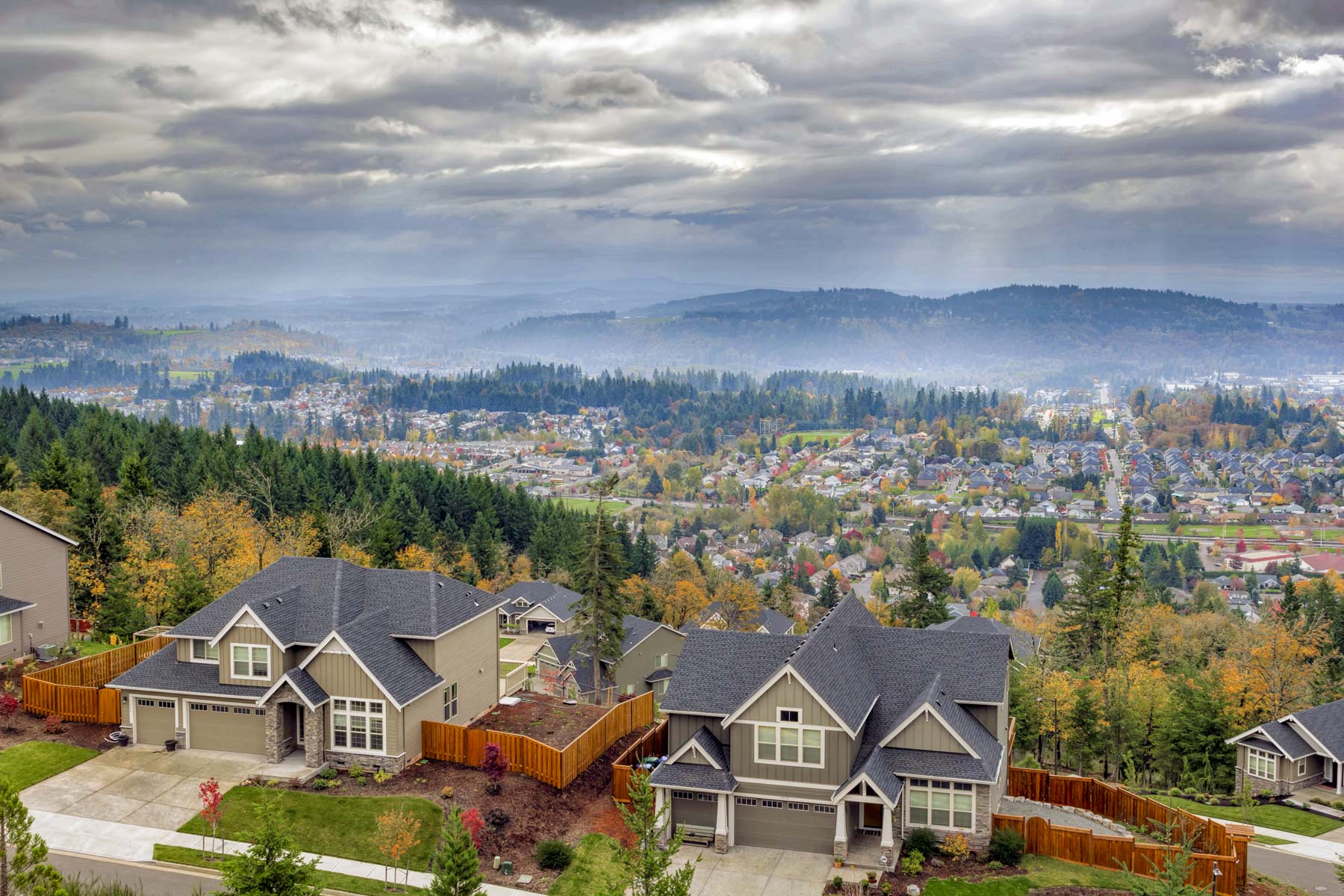
Beaverton’s journey to becoming one of Oregon’s most populous cities is a tale of economic vitality. Originally settled as a farming community in the 19th century, Beaverton has evolved into a city with a diverse population and a hearty economy.
Home to the global headquarters of Nike (which employees 11,000) as well as other major companies like Tektronix, Beaverton serves as a hub of innovation and industry in the Pacific Northwest.
Outside of the office, Beaverton offers a high quality of life, with lively farmers markets, outdoor recreation, highly-rated schools and extensive parks, making it an excellent choice for young families. Between the job opportunities and great schools, it’s no wonder why Beaverton is one of the largest cities in Oregon.
#5. Hillsboro (106K)
Located 20 miles west of Portland, Hillsboro was pretty small (and largely overlooked) until the late 1980s when major tech companies moved to town. Most notably Intel, which has its largest manufacturing site in the world here.
To this day, the area attracts large employers in biomedical, telecom, banks and data centers. The area’s tech industry is so well known in fact, the corridor between Hillsboro and Beaverton is referred to as the Silicon Forest.
This tech hub status attracts a diverse and talented workforce, propelling Hillsboro into the spotlight as a key player in Oregon’s economy, making it one of the largest cities in Oregon.
But Hillsboro knows how to have a good time outside of office hours, too. The city offers a vibrant cultural scene, with events like the annual Oregon International Air Show and the Hillsboro Arts & Culture Council’s array of artistic endeavors in the historic downtown core.
There’s tons of beautiful parks, recreational facilities, and proximity to the stunning Oregon coast and wine country. Living in Hillsboro feels like vacation for the most part, considering you’d be able to manage the (often stressful) work environment tech companies are known for.

#4. Gresham (114K)
To the untrained eye, Gresham serves as a conduit between Portland and the Columbia River Gorge. To those that know better, it’s no surprise that Gresham is the 4th most populous city in Oregon.
Considered a suburb of the Greater Portland Metro Area, the city has seen a large influx of new residents over the past 5-10 years. Folks make the move because of the city’s proximity to Portland and the more affordable housing market.
However, to call housing affordable in Gresham (or any part of Oregon, really) would be a laughable offense in this day and age. Housing prices have skyrocketed across the state and, with median home prices clocking in at $490kGresham is no exception.

#3. Salem (178K)
As the state capital, Salem serves as the political and administrative hub of the state, so it’s only fitting that it would be one of Oregon’s largest cities based on population.
Salem’s largest draw is the job market, which is anchored by government gigs, education, healthcare and agriculture. The traditional 9-5 lifestyle has given the city a rather sleepy reputation that’s slowly starting to shed.
Salem’s historic downtown is ripe for exploration, with charming architecture and tree-lined streets, there’s plenty of restaurants and shops to enjoy. Better still, the city is located in the heart of the Willamette Valley, serving as a gateway to Oregon’s renowned wine country, making weekend getaways a breeze.

#2. Eugene (178K)
Home to the University of Oregon, Eugene second-most populous city in Oregon. The city pulses with the energy of a vibrant college town, attracting students, scholars, and intellectuals from around the state.
The town’s roots trace back to the mid-19th century when it was established as a trading post along the Willamette River, and since then, has blossomed into a dynamic urban center.
Eugene’s economy thrives on a blend of industries, including education, healthcare, technology, and outdoor recreation, offering locals a wealth of career opportunities and economic stability. But Eugene’s allure extends beyond its economic prowess, it’s also a haven for nature lovers and outdoor enthusiasts.
Surrounded by lush forests, scenic rivers, and mountains, there’s endless opportunities for hiking, biking and fishing in the area. Plus, the arts and music scene, gives Eugene endearing small-town vibes few places have mastered to this extent.
Local’s Recommendation: While visiting Eugene, make it a priority to visit Alesong, one of the best breweries in Oregon.

#1. Portland (635K)
Portland is the most populous city in Oregon. Best known for its quirky vibe, top-notch cuisine, moody weather and access to breathtaking nature, living in Portland feels like a privilege most days.
The city is going through growing pains for sure, but it’s still an easy place to love. I’ve lived in Portland for 30+ years and still find myself happy here.
Like most places, the city isn’t for everyone, but I can’t imagine being this content elsewhere. The food scene alone makes it impossible to leave!
Most of my spring weekends are spent at the wineries in Willamette Valley, summers are reserved for hiking the breathtaking Columbia Gorge and fall is spent apple-picking in Hood River.
Turns out I’m not the only one that thinks Portland is a gem. The city is home to 635K residents, which makes it the largest city in Oregon by population and land mass.
I can wax poetic about the City of Roses until I’m blue in the face, but your time is more precious than that. So instead, my favorite guides to Portland.
List of the largest cities in Oregon by land area
If you’re trying to figure out the largest cities in Oregon based on land size, the list below may prove helpful.
- Portland (145 square miles)
- Salem (48.5 square miles)
- Eugene (43.75 square miles)
- Bend (33.27 square miles)
- Medford (23.74 square miles)
- Hillsboro (24.25 square miles)
- Gresham (23.43 square miles)
- Klamath Falls (20.66 square miles)
- Beaverton (18.73 square miles)
- Albany (17.75 square miles)
List of the Most Populous Cities in Oregon (Post Overview)
In sum, here’s a list of the most populous cities in Oregon based on population. Hope you enjoyed!
- Portland
- Eugene
- Salem
- Gresham
- Hillsboro
- Beaverton
- Bend
- Medford
- Springfield
- Corvallis
Map of the Largest Oregon Cities
Cheers!
Read: The Best Time to Visit Oregon (Comprehensive Monthly Breakdown)
Read: 15 Stunning Oregon State Parks You Can’t Afford to Miss
Read: 3 Scenic Spots to See Redwoods in Oregon (Local’s Guide)
Read: 18 HONEST Pros and Cons of Living in Oregon
Read: 15 Best Places to Live in Oregon (Helpful Local’s Guide)
Newest on Oregon
- Columbia River Gorge Waterfalls in Winter Oct 2026
- Willamette Valley in Winter (Fireplaces, Empty Tasting Rooms, Truffle Season) Sep 2026
- Oregon Coast in Winter Sep 2026
- Mount Hood in Winter (Timberline, Skibowl, Sno-Parks, and Chains) Sep 2026
- Columbia River Gorge Fall Foliage Drive Sep 2026
- Willamette Valley Wine Country in Harvest Season Sep 2026



Leave a Reply