Two tasting flights, $50. A bowl of soup we split, $14. One night at an inn outside Dundee with a gas fireplace and a view of nothing but fog, $189. Gas both ways, about $16. That was a Tuesday and Wednesday last February for my husband and me, and at the first winery we walked into we were two of five people in the room.
Five. In a room built to hold sixty. The woman pouring for us sat down at our table, which does not happen in August, and talked us through a barrel sample she had no obligation to open.
I have lived in Oregon my whole life and spent a large chunk of it forty-five minutes from the Dundee Hills, and I have slowly become the person who tells everyone to go to wine country in January. Not because it is prettier. It absolutely is not. Because the wine people are finally not exhausted, and they will talk to you.

Cellar Season Is an Actual Thing With Actual Dates
The Willamette Valley Wineries Association gave winter a name and a calendar, and once you know the name the season makes sense. They call it Cellar Season. Their own line for it is “our version of winter,” and they run it January 1 through March 31, with the events calendar running January 3 through March 31.
What is actually on offer in those three months is the stuff a summer visitor never gets. Cellar tours. Barrel tastings, meaning the wine is still in the barrel and unfinished and a winemaker is standing there with a thief explaining what it is going to become. First pours of the newest releases. The association adds events week by week from January through March, so a calendar you check in December will look thin and the same calendar in mid-January will not.
The vines themselves are asleep and bare. The association says this out loud, which I respect, that the vines have released their leaves and the young wines are doing their slow work in barrel. Nobody is pretending the hillsides look like the brochure.
For the opposite end of the calendar, when the fruit is coming in and the whole valley smells like fermentation, my guide to Willamette Valley wine country in harvest season covers crush. These are two genuinely different trips.

The Hours Change and Nobody Emails You About It
This is the single biggest way a winter wine day goes sideways. A tasting room that was open seven days a week in September goes to five, or four, and the change is quiet. Here is what four of the valley’s better known rooms had posted as of September 2026.
- Sokol Blosser, Dayton. March through October it is open daily 10 am to 4 pm. November through February it is open Thursday through Monday, 10 am to 4 pm. Tuesday and Wednesday, closed. That is the pattern in miniature.
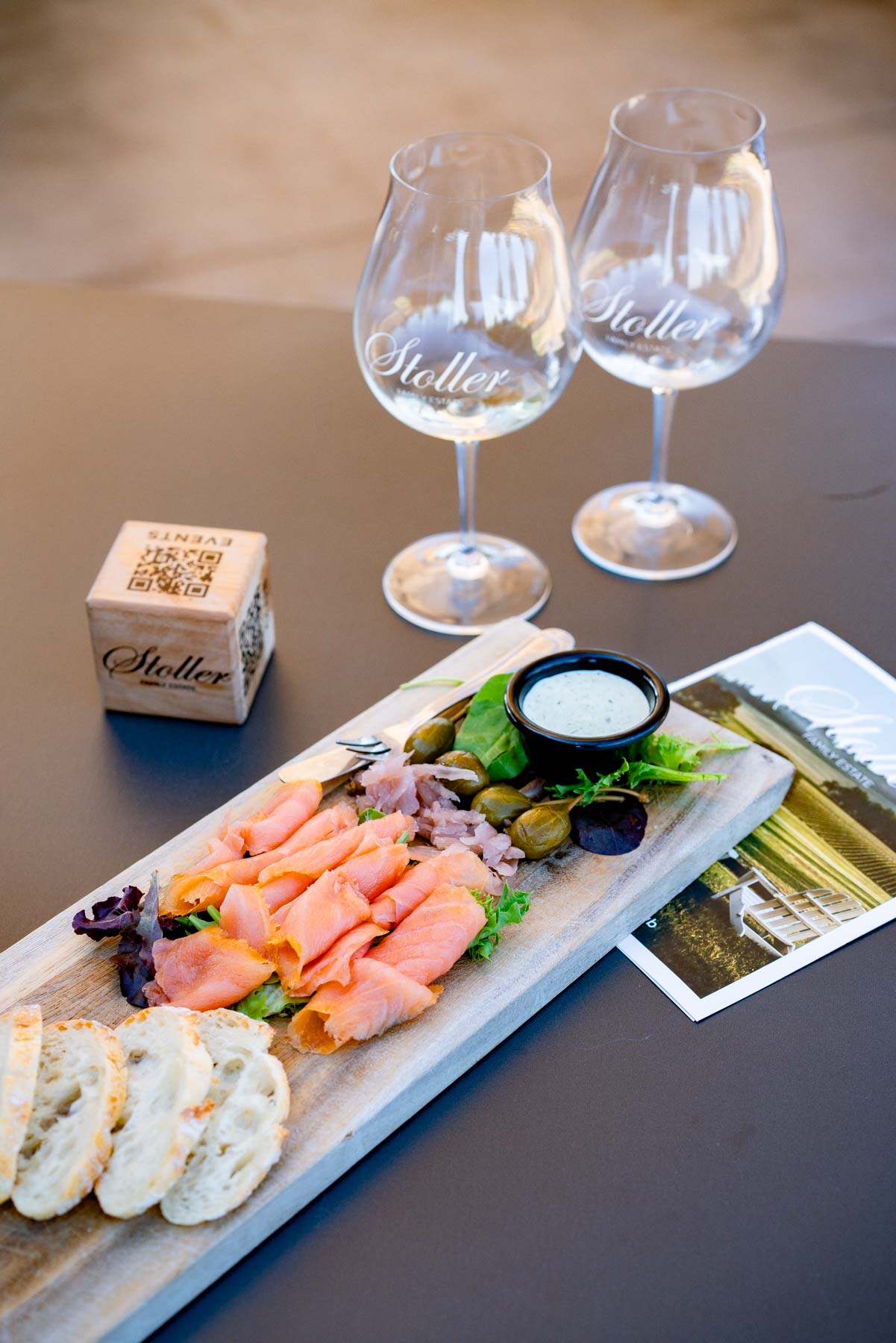
- Stoller Family Estate, Dayton. Tastings daily 10:30 am to 4:30 pm. The Classic Flight is $25, the Reserve Flight $45, and the Legacy Tasting $55 a guest or $30 for club members. Groups are capped at 12 and they ask you to allow up to an hour and a half. The Lawn is open daily, rain or shine, which in January is a real sentence.
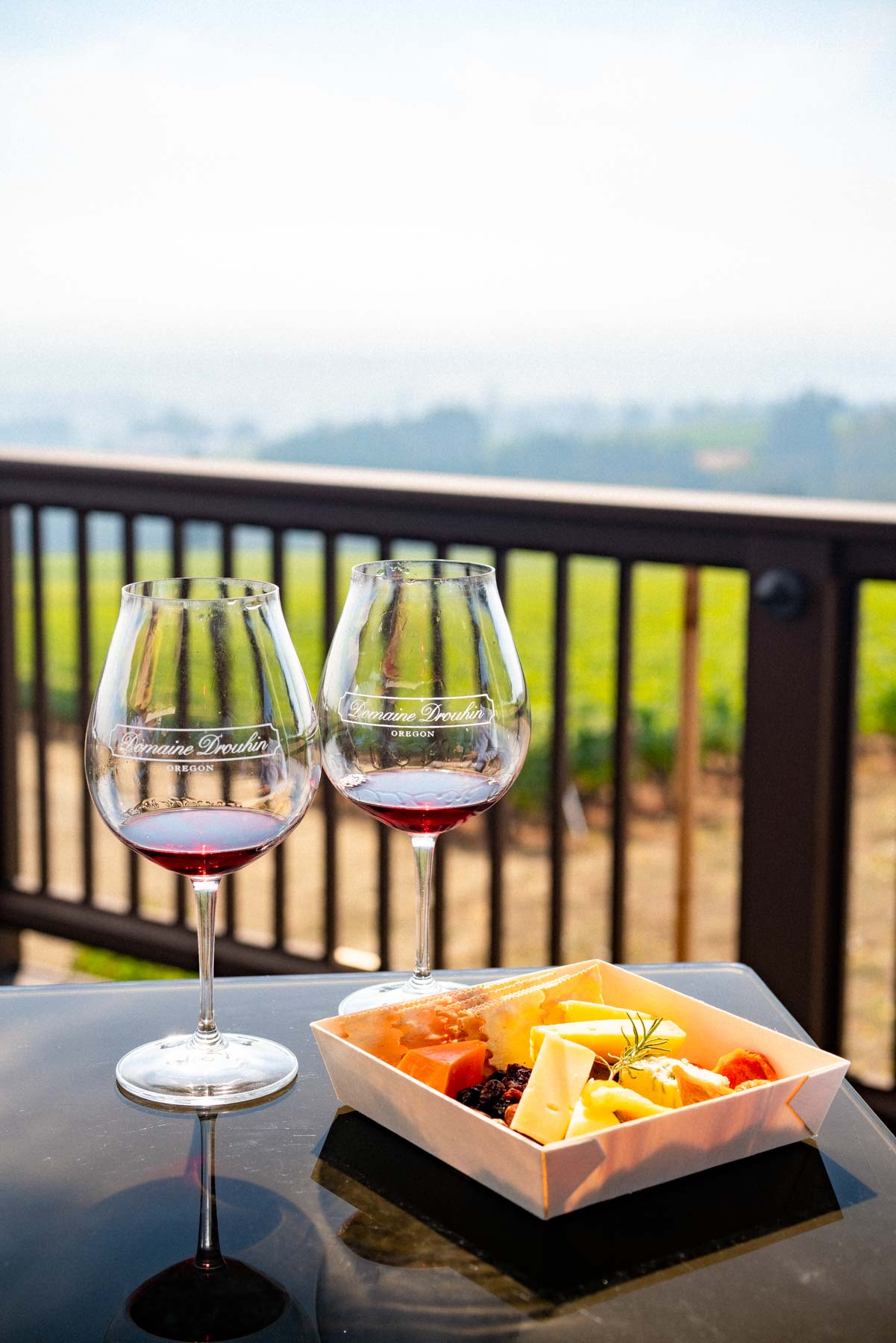
- Domaine Drouhin Oregon, on Breyman Orchards Road in Dayton. Open daily, tastings 10 am to 3 pm, indoors and out. Reservations are strongly encouraged and bookable 90 days ahead, walk-ins as space allows, and they take a text at 503-864-2700. They also keep a separate special hours and closures page, which tells you something.
- Willamette Valley Vineyards, Turner, south of Salem. Estate tasting room daily 11 am to 6 pm, until 8 on Friday and Saturday. Their Domaine Willamette in Dayton is closed Monday and Tuesday, open 11 to 5 Wednesday and Thursday and 11 to 6 Friday through Sunday.
Two rules from this. Do not build a winter Tuesday around small producers, and check every single room’s own site the week you go, not a map listing. If you want a wider shortlist to work from, I keep a running list of the best wineries in Oregon.

Finding a Fireplace, Which Is Half the Point
The association maintains a page called Find Your Fireplace, and it is exactly what it sounds like. A list of member wineries that want you to come sit in front of a fire with a glass. Their words for the season are cool air, gentle rains, and the glow of heaters and crackling fires glimmering through the fog, and the page’s own photos point at fireside tastings at Domaine Roy & fils and a private fireside tasting at Domaine Serene.
I could not read the full winery list off that page because it loads dynamically, so I am not going to hand you a list I have not seen. Go to willamettewines.com, open Plan Your Visit, Seasons, Cellar Season, Find Your Fireplace. Two minutes and you will have the current roster instead of my guess.
What I will tell you from experience is which fireplaces are worth planning around and which are decorative. Ask one question when you book. Can we sit near the fire. If the answer is a pause, the fireplace is in the lobby and you are being seated in the annex.
February Is Officially Truffle Month
The single fact I most want you to leave with is this. Oregon has a native truffle industry, it is centered on this valley and the forests around it, and February is its peak. Not metaphorically. The Oregon Legislature proclaimed February Oregon Truffle Month, which arrived in time for the Oregon Truffle Festival’s twentieth anniversary in 2026, and before that Governor Tina Kotek signed a proclamation to the same effect dated February 6, 2024.
The festival itself is a 501(c)3 nonprofit founded in 2006. USA Today readers voted it the number five specialty food festival in the country in 2020, and it says tickets to its events start at $15 a person, which is not what people assume about truffles. It also runs the Joriad North American Truffle Dog Championship, an actual competition for dogs, which is the most Oregon sentence in this post.
Dogs, not pigs. The festival is blunt that only dogs can find the ripest truffles and that their precision makes for a low-impact harvest, and the New York Times went looking in 2025 and could not find a single Oregon harvester hunting with a hog. That headline, by the way, was “Stinky, Fussy, $800 a Pound,” which is the price context you need before you order the shaved truffle course.
Now the part that is going to annoy you. As of September 4, 2026 the festival’s site said only “2027 Events Lineup Coming Soon” with no dates, venues or prices posted. So do not book flights around a date you found on some listicle. Watch oregontrufflefestival.org or get on their mailing list, and call 1-888-695-6659 if you need to plan further out than that.
Even without the festival, February is when valley restaurants put Oregon truffle on the menu, and a shaved-truffle dish at a McMinnville table in February is a genuinely different thing from the imported jarred stuff you get in July.
The Weather Is Better Than the Coast and Worse Than It Looks
McMinnville’s NOAA 1991 to 2020 normals give January an average high of 47.3 degrees and a low of 35.2, with 5.51 inches of rain. December runs 46.5 and 34.4 on 6.45 inches, February 51.0 and 35.3 on 4.08 inches. Annual precipitation is 37.64 inches.
Hold that against the Oregon coast, which takes 67 to 70 inches a year. The valley is roughly half as wet, and a February that is genuinely pleasant in Dundee can be a gale in Pacific City on the same afternoon. This is the argument for wine country over the beach in late winter, and it is a good one.
What the numbers do not tell you is the fog. On a lot of winter mornings it sits down in the rows below the tasting room window like water filling a bathtub, and the view you drove for is a white wall until about eleven. Then it lifts and the whole valley is there at once. Book the afternoon slot.
Freezing fog and ice on the back roads happen a handful of mornings each winter. Worth knowing if your rental is a rear-wheel-drive sedan and your route is Worden Hill Road.
Three Wineries, Not Five
Everyone tries to do five. Nobody enjoys five, and in winter it is worse, because dark comes early and you have lost the golden hour by four.
My winter day is one room at 11, lunch, one room at 2, and one small producer at 4 if they are open, all within about fifteen minutes of each other. The Dundee Hills work well for this. So do the Eola-Amity Hills out of Salem, which see far fewer cars. The Willamette Valley AVA has 11 nested sub-appellations inside it, from Ribbon Ridge to Van Duzer Corridor to Lower Long Tom, and pretending you will sample across them in a weekend is how people end up drinking mediocre wine in a car.
Book everything. In summer people book because the rooms are full. In winter you book because the room has one host on shift and if nobody has a reservation at 3 pm she is in the back doing inventory. Reservations are not gatekeeping out here, they are staffing.
Settle your driver before the first pour. If it is a day trip from town, my Willamette Valley day trip from Portland lays out the routes, and new tasters should read my Oregon wine tasting guide first so you are not paying $45 to be intimidated.
What Disappoints People, Stated Plainly
The vineyards are ugly. There, I said it. From January to March the rows are bare wire and brown sticks in dirt, pruning crews are out in orange rain gear, and nothing about it photographs the way the July version does. If the picture is the reason for the trip, go in September and read when to visit Oregon month by month instead.
The other letdown is scale. Oregon has more than 500 tasting rooms statewide per the Oregon Wine Board, a large share of them in this valley, and in winter a real chunk of the small ones go appointment-only or shut for weeks. A spontaneous drive down 99W hoping to find something charming and open is how you end up at the third-best option in Newberg at 4:15.
And it is not cheap just because it is quiet. Flights run $25 to $55 at the estates whatever the month. What drops in winter is the hotel rate and the wait, not the pour.
Where I Actually Eat and Sleep
McMinnville is the base. Third Street has more good food per block than anywhere else in the valley, it has a real downtown that exists for its own residents rather than for visitors, and it is a fifteen to twenty-five minute drive to most of the Dundee and Yamhill-Carlton wineries. Newberg and Dundee are closer to the vineyards and thinner on dinner.
Reserve dinner. I know that sounds excessive for a Tuesday in February in a small town, but the good rooms are small and the locals are the ones filling them in the off season, and a walk-in at 7 pm on a Friday will not happen.
On lodging, the inns and vineyard-view rooms discount hard from January to March and I will not quote you a rate, because the number I paid last February is not the number you will be quoted for next February. Call the property. Ask for a room with a real fireplace and a west-facing window, in that order.
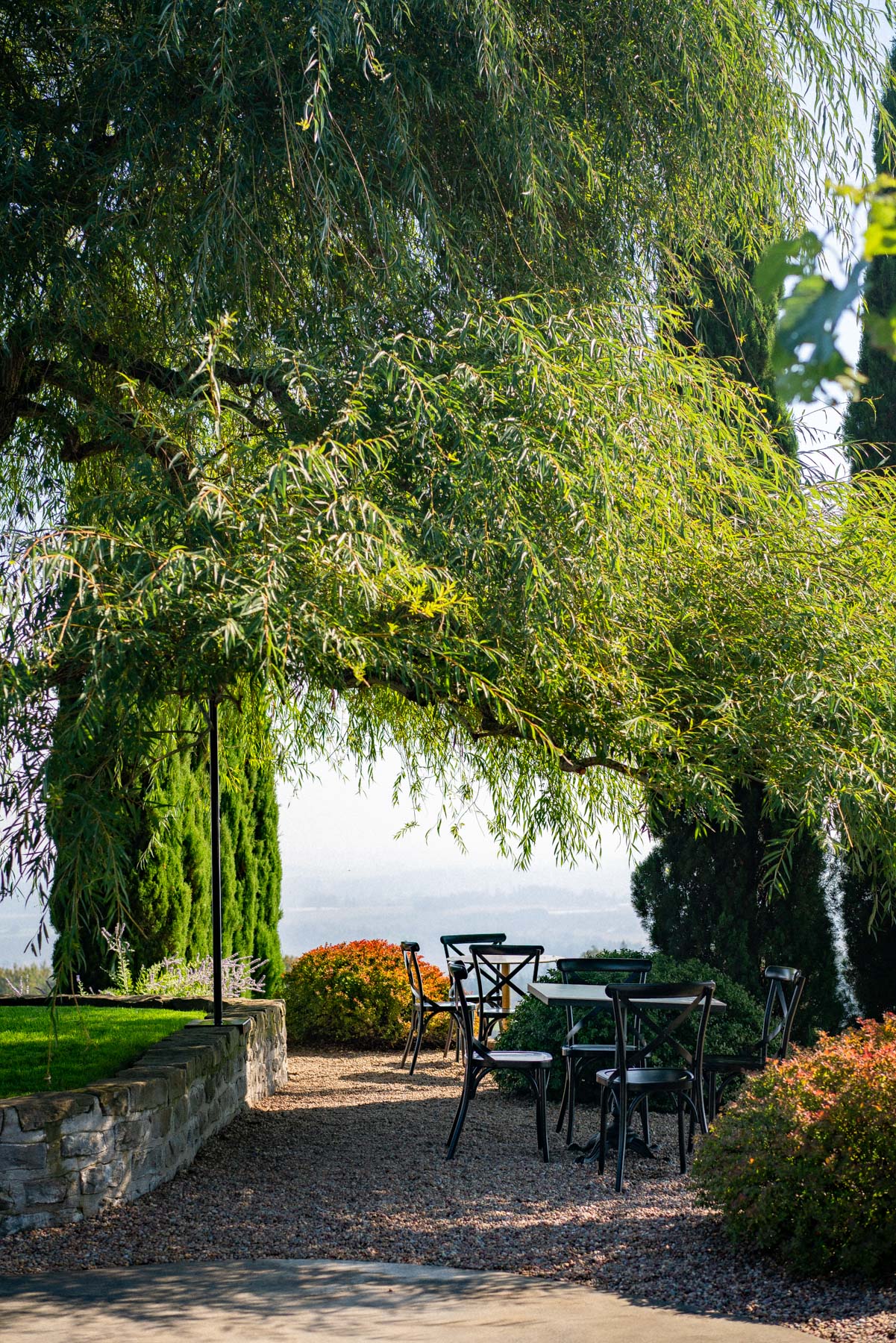
Go in February
If you make me pick one month, February. Cellar Season is fully underway, the events calendar has filled in, truffles are at their peak, the rain has eased off December’s numbers, and the tasting rooms still have that unhurried post-holiday quiet where somebody will pull a barrel sample for four people because why not.
Now do me a favor. I am building a proper shortlist for next winter and I want one thing from you. Which Willamette Valley tasting room has the fireplace actually worth driving for? Not the winery, the room. Tell me in the comments and be specific, because I will go sit in it and report back.
Until next time,
Antonina
The Willamette Valley Wineries Association runs Cellar Season from January 1 through March 31, with its events calendar running January 3 through March 31. It is the season for cellar tours, barrel tastings and first pours of new releases.
Most of the big estates are, on shorter weeks. Sokol Blosser drops to Thursday through Monday from November through February. Stoller pours daily 10:30 to 4:30 and Domaine Drouhin daily 10 to 3. Many small producers go appointment only, so check each website the week you go.
February is the peak. The Oregon Legislature proclaimed February Oregon Truffle Month, and the Oregon Truffle Festival calls it the peak of the season. As of September 2026 the festival had not posted its 2027 dates, so watch oregontrufflefestival.org.
Mild, damp and foggy rather than frozen. McMinnville averages a high of 47.3 degrees in January on 5.51 inches of rain, per NOAA 1991 to 2020 normals. The vines are bare and pruning crews are out, so it is a trip for the wine, not the view.
Winter does not discount the pour. At Stoller as of September 2026 the Classic Flight was $25, the Reserve Flight $45 and the Legacy Tasting $55 a guest. Lodging and wait times drop in winter, tasting fees do not.
Newest on Eat + Drink
- Willamette Valley Wine Country in Harvest Season Sep 2026
- Best Ice Cream in Portland (A Local’s Guide) Jul 2026
- Best Donuts in Portland (A Local’s Ranking) Jun 2026
- Portland Date Night Guide (Best Romantic Restaurants and Bars) Jun 2026
- Best Oregon Coast Restaurants (From Astoria to Bandon) May 2026
- Best Restaurants in Hood River, Oregon (Where Locals Actually Eat) May 2026