
Is Oregon a good place to retire? I’ve lived here my whole life, and over the years I’ve watched a steady stream of my parents’ friends sell their homes back east and land here, full of hope. Most of them are happy. A couple of them moved back. So I’ll give you the real answer, not the tourism-board one. Oregon has genuinely great reasons to retire here, the no-sales-tax thing, the nature out your back door, the food, the slower pace. A lot of it is as good as it sounds. But there are trade-offs the glossy “best places to retire” lists skip right over, and you deserve to know them before you sign anything.
The Case for Retiring in Oregon
Let me start with the good stuff, because there’s plenty of it.
No sales tax. This is a big one when you’re on a fixed income. Everything you buy in Oregon costs exactly what the sticker says. Groceries, a winter coat, a new couch for the house you just moved into. If you’re coming from a state with 8 to 10 percent tacked on at the register, it honestly feels like a small raise every time you check out.
Unreal access to nature. You can be at the Oregon coast in about 90 minutes from Portland, in the mountains in an hour, and out in the high desert in three. My husband and I do all three in a single weekend more often than I’ll admit. If you love hiking, kayaking, fishing, or just sitting outside with a book and a view, you will not run out of places here. Not in this lifetime.
Top-tier healthcare. OHSU (Oregon Health and Science University) is one of the best medical centers in the Pacific Northwest, and Portland has the specialists and hospitals to back it up. If reliable healthcare access is high on your list, and at a certain point it should be, the metro area delivers.
Walkable, livable cities. Portland, Bend, Ashland, and Hood River all have downtown cores you can actually walk, with shops, restaurants, and somewhere to go on a Tuesday. You don’t have to drive everywhere. Trust me, that matters more than you’d think once you’re retired and the daily commute is no longer doing the planning for you.
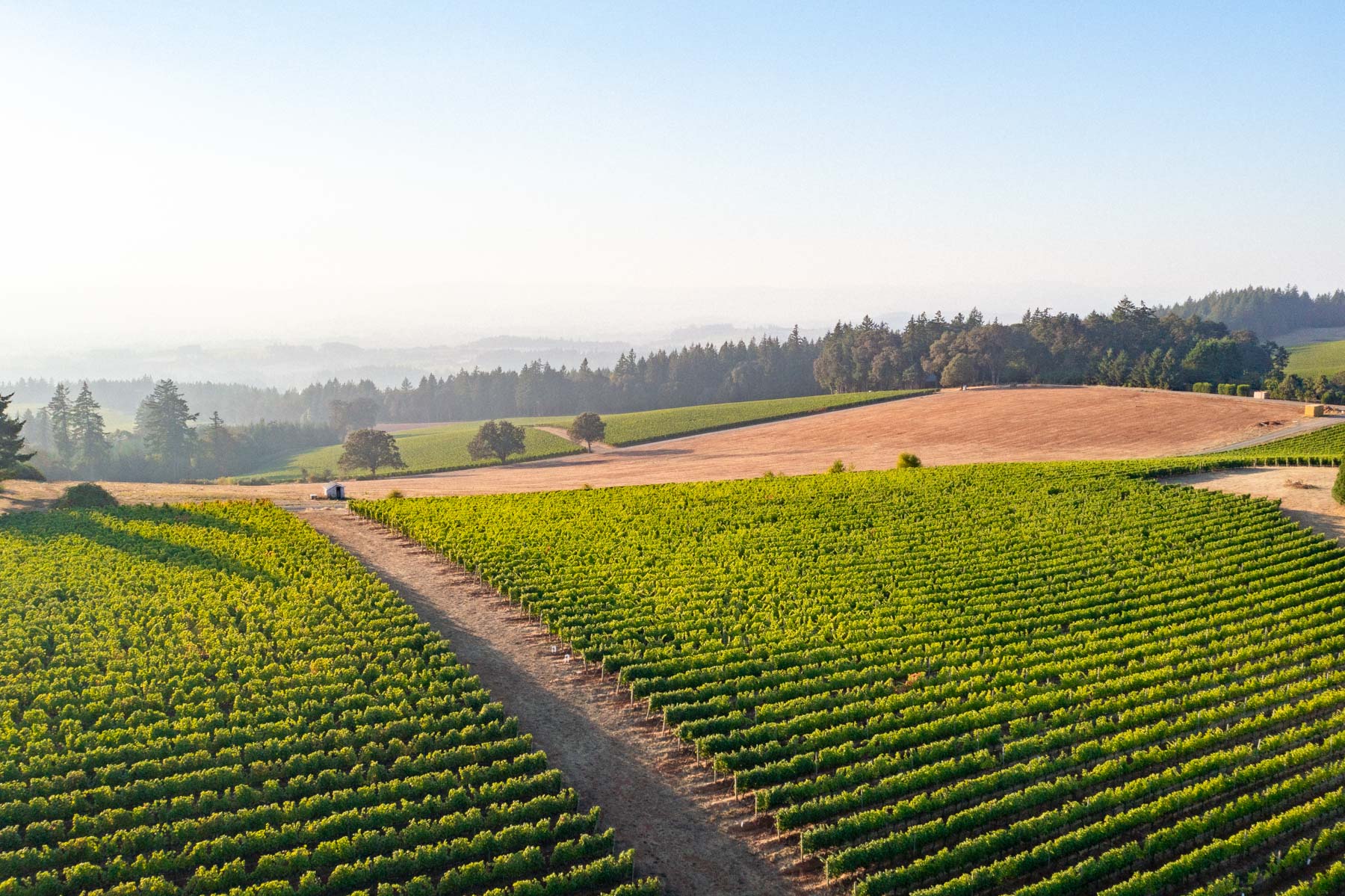
Farm-to-table food and farmers markets. Oregon takes its food seriously. The Portland Saturday Market, the PSU Farmers Market, and dozens of smaller ones around the state run nearly year-round. Fresh produce, local cheese, bread worth driving for, and Willamette Valley wine that earns the fuss. It’s just part of how people eat here.
Mild winters in the valley. The Willamette Valley almost never sees real cold. Temperatures hang out in the 40s through winter, and snow is rare in Portland and the towns around it. If you’re coming from the Midwest or the East Coast, where winter is a contact sport, you’ll appreciate that more than you can imagine right now.
Progressive, welcoming communities. Oregon’s cities tend to be open-minded and built around community. If you want to volunteer, join a club, or just feel like a neighbor in your own neighborhood, that’s easy to find here.
The Case Against Retiring in Oregon
Now for the part the tourism boards leave out.
State income tax is high. Oregon skips the sales tax, then turns around and hits you with one of the highest state income taxes in the country. If you’ve got pension income, Social Security, or investment gains, you will feel it. This is not the tax-free paradise people imagine. I won’t lie to you about that.
Rain from October through May. I’m not going to sugarcoat it. Western Oregon goes gray and drizzly for roughly eight months of the year. It’s not always pouring, it’s mostly just that flat, low ceiling of clouds that wears some people right down. Seasonal depression is real here. Take it seriously before you move, not after.
Housing costs have climbed. The median home price in Portland sits around $500,000, and Bend is higher still. Oregon stopped being the cheap-alternative option a while ago. If you’re after a budget retirement, you’ll need to look hard at the smaller towns, which is exactly what I’ll get to below.
Wildfire smoke in late summer. August and September can drop a haze over the whole state for days, sometimes weeks. Air quality tanks, you cancel the hike you’d planned for months, and it’s genuinely miserable to sit inside watching it. And it’s gotten worse the last few years, not better.
Healthcare gets thin outside metro areas. Portland has the excellent hospitals. Rural Oregon is a different story entirely. If you’re picturing a small coastal town or somewhere out east, picture the drive to a specialist too, because it’s usually a long one.
If you need year-round sunshine, look elsewhere. This is the honest truth. People who thrive on warm weather and blue skies every day will struggle here. Oregon’s beauty is tied to its rain, and you have to accept the full package.
Best Oregon Cities for Retirees

If you’ve read all that and you still want in, here’s where I’d look first. Each one gives you something a little different, so it really comes down to what you can’t live without.
Ashland is the cultured one, down in southern Oregon. The Oregon Shakespeare Festival, restaurants that punch above the town’s size, wine tasting, and a downtown you can walk end to end. Perfect if you want small-town charm with something actually going on.
Bend is the outdoor lover’s pick. Sun (300 days of it), skiing, hiking, breweries, and a downtown that hums. It’s growing fast and it’s expensive, no way around that, but people love it for good reason.
Hood River is small, active, and flat-out gorgeous. The wind off the Gorge pulls in windsurfers and kitesurfers from everywhere, but the town itself is walkable, friendly, and full of good food and wine. It’s one of my favorite places in the state, full stop.
Portland hands you the whole urban package. Public transit, world-class food, the best healthcare in the state, culture, and neighborhoods you could spend years getting to know. It’s the move if you want city amenities without leaving Oregon. (It’s also a little rough around the edges these days, and I’d be lying if I pretended otherwise.)
McMinnville sits right in wine country with a charming downtown, housing that’s gentler on the wallet than Portland or Bend, and a community that shows up for itself. A great pick if you want the slow lane.
Florence is the quiet coastal town option. More affordable housing, the dunes right there, and a mellow pace. If you want to retire near the ocean without the crowds elbowing in, Florence is worth a real look.
More Oregon Guides
Frequently Asked Questions
Is Oregon tax-friendly for retirees?
It depends on your situation. Oregon has no sales tax, which saves money on everyday purchases. But the state income tax is among the highest in the country (up to 9.9%), and Oregon does tax most retirement income. Social Security benefits are not taxed, which is a plus. If your primary income is Social Security, Oregon can work well. If you have significant pension or investment income, you will want to run the numbers carefully.
What is the cheapest place to retire in Oregon?
Smaller towns in southern and eastern Oregon tend to be the most affordable. Places like Roseburg, Klamath Falls, La Grande, and Coos Bay have significantly lower housing costs than Portland or Bend. On the coast, Florence and Gold Beach are more affordable than most inland cities. Check out our guide to the best places to live in Oregon for more details on each area.
Is Oregon better than Washington for retirement?
It comes down to taxes and lifestyle. Washington has no state income tax, which is a big advantage for retirees with pension or investment income. But Washington does have sales tax (around 6.5-10% depending on the city). Oregon flips that: no sales tax, but high income tax. If you are living mostly on Social Security (which Oregon does not tax), Oregon might come out ahead. If you have larger retirement accounts, Washington could save you more. Both states offer incredible natural beauty, good healthcare in metro areas, and similar weather on the western side.
Final Thoughts

Oregon is a genuinely wonderful place to retire if you go in with your eyes open. The nature, the food, the culture, the pace, all of it is hard to beat, and I’m biased because it’s home. But the rain, the income tax, and the climbing cost of living are real, and they blindside people who only ever visited in July. Here’s my honest advice, the one thing I’d tell my own parents’ friends. Come visit in February, not summer. Spend a full gray week here. If you still love it when you leave, you’re going to be happy here. If the clouds got to you by day three, better to learn that now.
Are you thinking about retiring in Oregon? What’s pulling you here, or what’s giving you pause? I’d genuinely love to hear about it in the comments. Until next time, Antonina.
Newest on Oregon
- Mount Hood in Winter (Timberline, Skibowl, Sno-Parks, and Chains) Sep 2026
- Columbia River Gorge Fall Foliage Drive Sep 2026
- Willamette Valley Wine Country in Harvest Season Sep 2026
- Hood River Fruit Loop: A Local’s Fall Guide Aug 2026
- The Oregon Coast in September: The Secret Best Month Jul 2026
- When Do Leaves Change in Oregon? 2026 Fall Foliage Timing Jul 2026