
Is Portland worth visiting? I get asked this constantly, and as a lifelong Oregonian who’s lived in this city for years, my answer hasn’t budged: yes. But you’re getting the honest version, because Portland is not for everyone, and I’d rather you show up knowing exactly what you’re walking into than leave grumbling. My husband and I love it here. We love it because we know what it is and, just as importantly, what it isn’t. So here’s the real take. No brochure voice.
The short version
Yes, Portland is worth visiting, and it’s coming back strong. Come for the food, the coffee, and how close the wild gets.
- The food and drink500+ food carts, 75+ breweries, James Beard–level restaurants, and third-wave coffee on every corner.
- The nature accessForest Park inside the city, the Gorge 30 minutes east, the coast and Mt. Hood about an hour out.
- The neighborhoodsAlberta, Hawthorne, Division, and Mississippi each feel like their own little world, and that’s where you’ll actually spend your time.
- One heads-upcome June through September for the payoff weather, and don’t judge the city by a rough downtown block or two.
What Portland Does Better Than Almost Any City
Let me start with the good stuff. There’s a LOT of it.
The food scene is unreal. Food & Wine put one of our pizzerias on its list of the best in the country, and honestly, that barely scratches the surface. There are over 500 food carts scattered across the city in pods that range from a few lonely trailers to entire city blocks of the things. Farm-to-table isn’t a trend here. It’s just how kitchens operate. Chefs know the farmers by first name, and you can taste it. The restaurant scene punches so far above its weight for a city this size it’s almost rude, and yes, I’ve eaten my way through most of it. For research. You’re welcome.

Craft beer is basically a religion. Portland has 75-plus breweries inside city limits, more per capita than almost anywhere in the country. You don’t have to be a beer nerd to appreciate it. But if you are one? You’re going to lose your mind. My move is St. Johns, where you can sip something hoppy in the shadow of the prettiest bridge in town. The beer festival scene alone is worth the plane ticket.

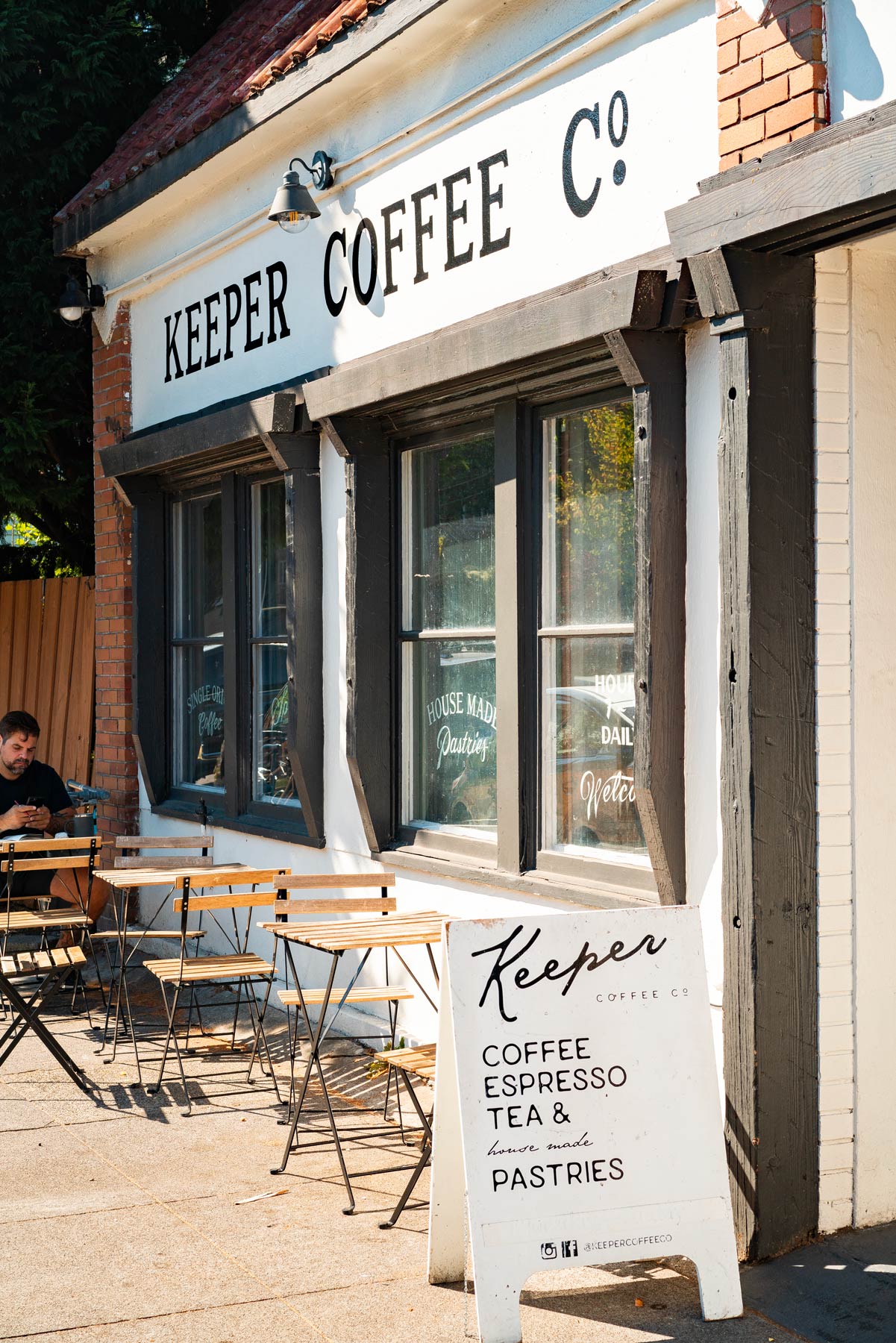
The coffee culture is next level. We were doing third-wave coffee before anyone bothered to name it. Stumptown, Heart, Coava, Nossa Familia. They ship beans across the country now, but drinking their coffee here, in the actual neighborhoods where they started, hits completely different. Whenever friends visit, I march them through my guide to the best coffee shops in Portland on day one. Non-negotiable. I will not be taking questions.
The bookstores will ruin you. Powell’s City of Books is the largest independent bookstore on the planet. It takes up a full city block, comes with a color-coded map, and I have absolutely lost an afternoon in there with no regrets and a very light wallet. Fair warning though. Every other bookstore you visit after Powell’s is going to feel like a sad little gift shop. Sorry.

The neighborhoods have actual personality. This one surprises a lot of visitors. Portland isn’t a downtown-centric city. The best of it is spread across distinct neighborhoods that each feel like their own little world. Alberta is artsy and colorful. Hawthorne is bohemian and proudly stuck in 2004. Division is trendy and food-obsessed. Mississippi is quirky and walkable. I’ve spent entire days in each one and never run out of things to do.
The access to nature is absurd. Forest Park is one of the largest urban forests in the country, and it sits right inside the city, ferns, mossy ruins, the whole moody Pacific Northwest fantasy. The Columbia River Gorge and Multnomah Falls are about 30 minutes east. The Oregon Coast is roughly 90 minutes west. Mount Hood is about 60 minutes away. I have hiked old-growth in the morning and eaten one of the best dinners of my life that same night. Not many cities can pull that off. My day trips from Portland guide covers all of it.

The people are genuinely friendly. Not in a loud, over-the-top way. More in a “the barista already knows your order and the guy at the farmers market slips you an extra handful of berries” way. Portland attracts creative, slightly offbeat people, and that energy is contagious. It makes the whole place feel welcoming and just a little bit weird. In the best way.
What You Should Know Before You Come
Here’s where I keep it real. I’d rather you hear this from me than get blindsided.
It rains. A lot. From roughly October through May, Portland gets a persistent, drizzly mist that doesn’t even register on weather apps because it’s too undramatic to count as a “storm.” It’s just a constant gray hum. We don’t use umbrellas here, and you’ll out yourself as a tourist the second you pop one open. We wear layers and accept our fate. If you’re coming in the wet months, read my Portland packing guide first so you’re not miserable. Learned that one the hard way.

Downtown is rough around the edges, but it’s turning a corner. I’ll be honest with you, because you’ll see some of it the minute you arrive. The downtown core, especially around Old Town and parts of the waterfront, still has a visible homeless population. But here’s the part the doom headlines skip: it’s genuinely getting better, and fast. Under our new mayor the city has cleared most of the downtown tents, foot traffic is climbing again, and the core feels more alive than it has in years. It’s a real comeback, not a talking point. And the neighborhoods where you’ll actually spend your time (Alberta, Hawthorne, Division, Mississippi) were always perfectly fine. I wrote a whole post on Portland safety for tourists if you want the full picture.
It’s a casual city. Leave the heels and the blazer at home. The local dress code is flannel, sneakers, and a rain jacket that has seen things. I’m serious. You will feel overdressed in anything fancier than jeans at roughly 95% of restaurants in town, and that includes the good ones.
Summer is the secret. June through September, Portland becomes an entirely different city. 80-degree days, blue skies, outdoor dining spilling onto every sidewalk, festivals every single weekend, and sunsets that refuse to quit until 9 PM. If you can swing it, summer is hands down the best time to visit. It’s not close.
It’s not the Portland from Portlandia anymore. That show aired over a decade ago, and the city has grown up since. Still quirky, still independent-minded, but more polished, more food-obsessed, and (sorry) more expensive than it was in 2012. The bird is no longer on everything. The spirit is the same. The city just matured.
Who Portland Is Perfect For

Portland is a dream if you want to eat your way through a city without touching a single chain restaurant. It rewards craft beer lovers, coffee snobs, and anyone who gets genuinely emotional in an independent bookstore. Hikers get trails inside the city and an hour’s drive from it. If you’d take indie shops over big-box stores, farmers markets over malls, and slightly weird local energy over tourist traps, congratulations. This is your city. My complete guide to things to do in Portland is a good place to start planning.
My pick, the one thing that makes the trip
Eat your way across the neighborhoods.
More than 500 food carts and James Beard–level restaurants, all without a chain in sight. Best for travelers who plan trips around where they’ll eat, spend a day each in Alberta, Hawthorne, and Division and you’ll understand the whole city.
Who Might Want to Skip Portland
If you need sunshine year-round and gray skies genuinely wreck your mood, Portland is going to be a slog outside of summer. No sugarcoating that. If you want big-city nightlife with bottle service and mega-clubs, this isn’t your town either. The nightlife here is good, but it leans dive bars and live music, not velvet ropes. And if you’re picturing ocean beaches out your hotel window, the coast is stunning but it’s a 90-minute drive away. Portland is a river city, not a beach city. No way around it.
How Many Days Do You Need in Portland?
Three days is the floor. That’s enough to explore a couple of neighborhoods, eat a frankly ridiculous amount, and squeeze in one day trip. Four to five is my real recommendation, because that’s when you can slow down and do it the way we actually live here, slow mornings, long walks, no agenda. Add day trips to the Gorge, the coast, or wine country and you’ll fill a week without trying. My 3-day Portland itinerary lays out a tight game plan if you’re short on time.

More Portland Guides
Frequently Asked Questions
Is Portland, Oregon worth visiting in 2026?
Yes. Portland in 2026 has a thriving food scene, ridiculous access to nature, and a creative streak you won’t find in many American cities. Downtown is bouncing back under the new mayor, new restaurants keep opening, and the neighborhoods are as lively as ever. If you like good food, craft drinks, and getting outside, it’s worth your time. Worth it.
Is Portland safe for tourists?
Yes, Portland is safe for tourists. Like any city, some areas are rougher than others (mainly parts of Old Town and downtown late at night), but the neighborhoods where you’ll be eating, shopping, and wandering are very safe. Use the same common sense you’d use anywhere and you’ll be fine. I go deeper in my Portland safety guide.
Is Portland expensive?
Moderate, by West Coast standards. It’s notably cheaper than San Francisco or Seattle. Hotels run $150 to $250 a night for a nice spot in a good neighborhood. Meals at excellent restaurants average $15 to $30 per person. Food carts are cheaper still, usually $8 to $15. And there’s no sales tax in Oregon, which quietly saves you money every time you shop. Plenty of the best stuff (wandering neighborhoods, hiking Forest Park, getting lost in Powell’s) is completely free.
What is the best month to visit Portland?
July and August, no contest. Warm temperatures (mid-70s to mid-80s), almost no rain, and the longest days of the year. June and September are nearly as good, a touch cooler and less crowded. If rain doesn’t faze you, spring (April and May) is gorgeous, all cherry blossoms and green. I’d skip November through February unless gray, drizzly days genuinely don’t bother you. My best time to visit Portland guide breaks it down month by month.
Have you been to Portland? Was it what you expected, or something else entirely? Tell me what I got right and what I missed.
Until next time,
Antonina