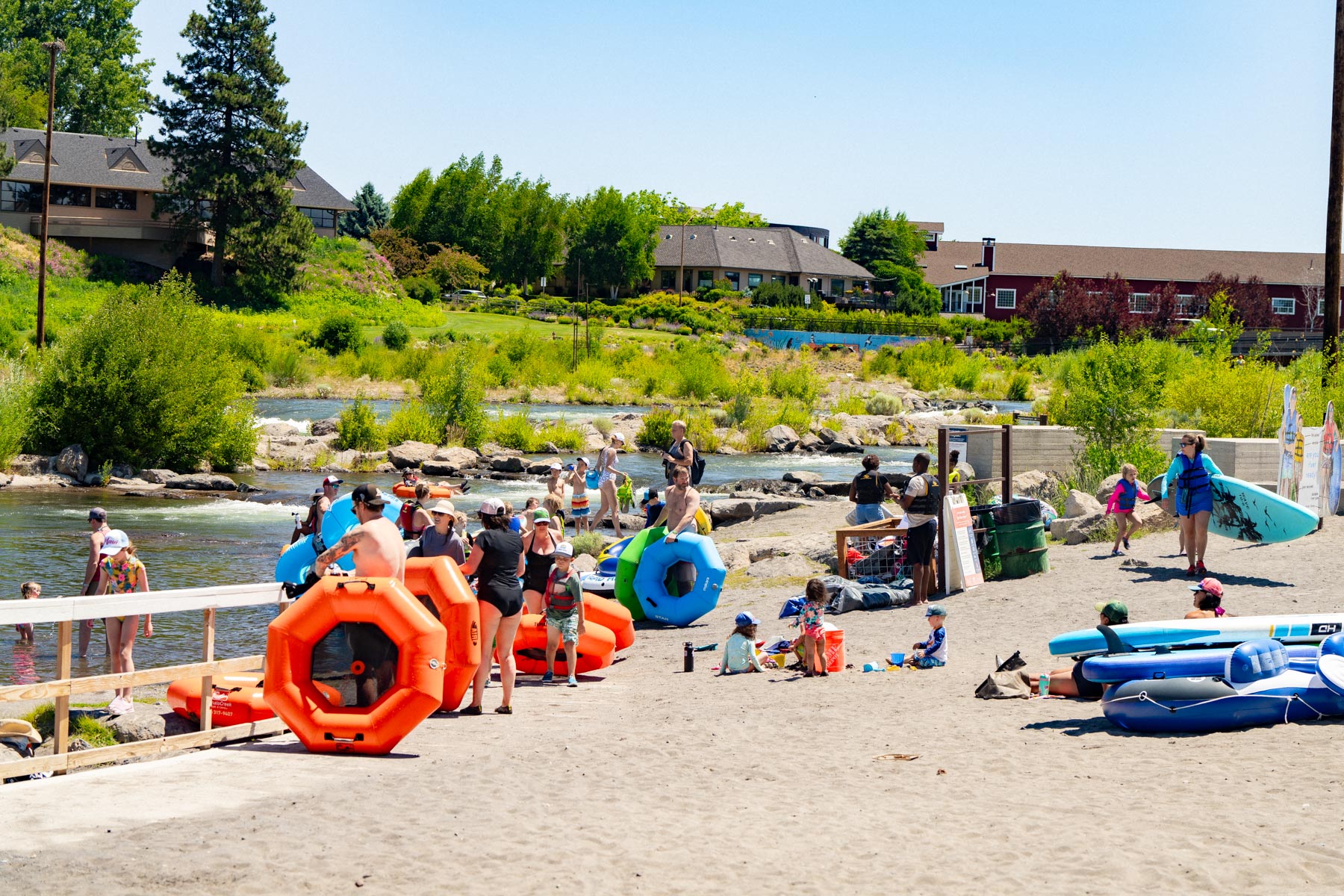

Portland has more green space per capita than almost any major city in the country, and once you start exploring the parks here, you’ll understand why Portlanders are so obsessed with being outside. We have a 5,200-acre urban forest. We have a park built on a dormant volcano. We have gardens that rival anything on the East Coast. And we have neighborhood parks so well-designed that people literally choose where to live based on which park is closest.
My husband and I have a running list of Portland parks we visit regularly, and it’s embarrassingly long. Here are the ones that are actually worth your time, for first-time visitors and locals alike. For more outdoor activities, check my Portland hikes guide.
The short version
If you only have time for a few: Forest Park for wilderness, Washington Park for the gardens and views, and a neighborhood gem like Laurelhurst or Peninsula Park to see how Portlanders actually live.
- Best big natureForest Park, 5,200 acres and 80+ miles of trails right inside the city.
- Most to see in one stopWashington Park, with the Rose Garden, Japanese Garden, and arboretum all together.
- Best viewsCouncil Crest and Mt. Tabor, both free and rarely as crowded as Pittock Mansion.
- Best neighborhood gemLaurelhurst Park, or Peninsula Park for roses without the Washington Park crowds.
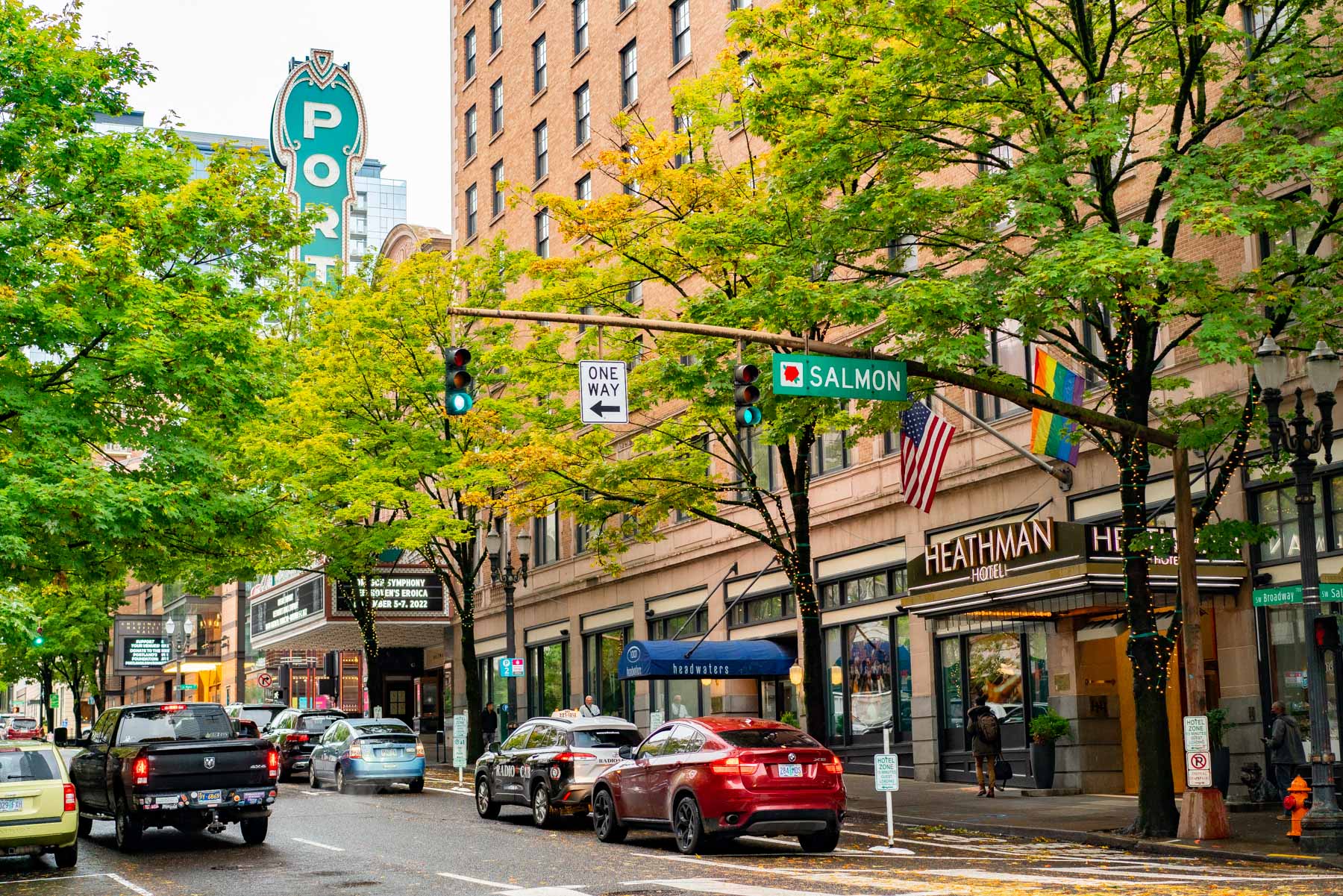
Forest Park
Forest Park is the crown jewel. At 5,200 acres, it’s one of the largest urban forests in the country, with over 80 miles of trails winding through old-growth Douglas fir, western red cedar, and big-leaf maple. The fact that this exists inside a major city is genuinely remarkable. You can be walking through downtown Portland and 15 minutes later be on a trail that feels like deep wilderness.
The most popular trail is the Lower Macleay Trail to the Witch’s Castle (a moss-covered stone building from the 1930s), which is about 2.5 miles round trip and takes about an hour. For a longer adventure, the Wildwood Trail runs 30 miles through the entire park. Summer is the best time because the trails are dry and the canopy keeps everything cool even when Portland is baking.
My pick, big park
Forest Park.
5,200 acres and more than 80 miles of trails, all inside the city. Start with the Lower Macleay Trail to the Witch’s Castle, about 2.5 miles round trip and an hour of walking that has you under old-growth Douglas fir 15 minutes from downtown.
Washington Park
Washington Park is Portland’s flagship park and the one most visitors end up at, because it contains several of the city’s top attractions in one place. The International Rose Test Garden (free, over 10,000 bushes, peak bloom in June), the Portland Japanese Garden ($22 admission, one of the most beautiful outside Japan), the Hoyt Arboretum (free, 190 acres of trees from around the world), and the Oregon Zoo are all here.
You could easily spend an entire day in Washington Park. The Rose Garden alone is worth the trip for the views of downtown Portland and Mt. Hood on a clear day. My advice is to visit the Japanese Garden early in the morning when it’s quietest. The afternoon crowds can make it feel rushed, and this is a place that rewards slow walking. For more on what to do nearby, check my Portland things to do guide.

Council Crest Park
Council Crest is the highest point in Portland at 1,073 feet, and on a clear day, you can see five Cascade volcanoes from the summit: Mt. Hood, Mt. St. Helens, Mt. Adams, Mt. Rainier, and Mt. Jefferson. That’s a sentence I never get tired of saying. Everyone goes to Pittock Mansion for the views (and Pittock is great), but Council Crest is higher, free, and rarely crowded. You can drive to the top or hike up from the Marquam Nature Park trailhead for a more rewarding experience.
Laurelhurst Park
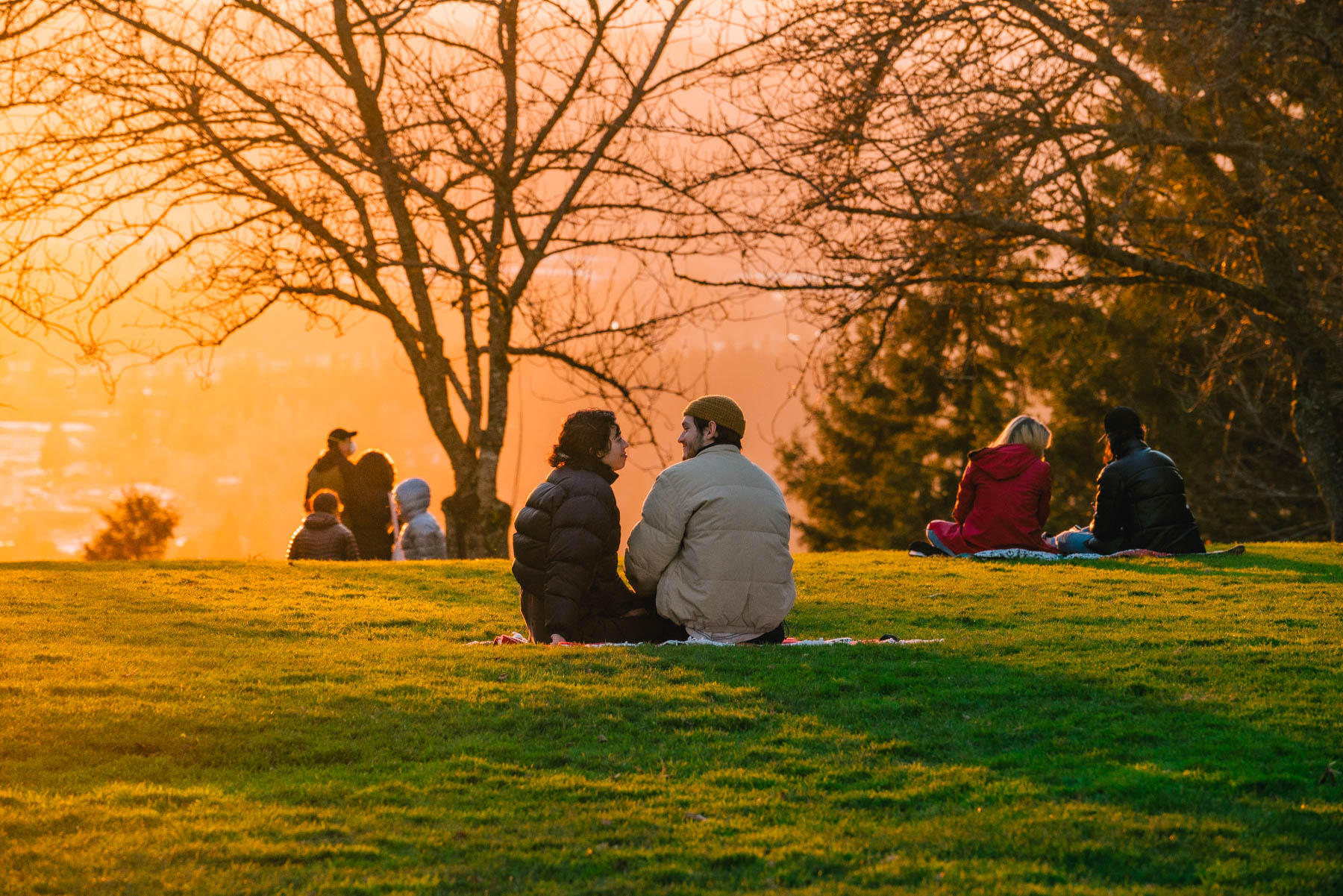
Laurelhurst Park is the best neighborhood park in Portland, and I’ll defend that opinion. It was the first park in Portland to be listed on the National Register of Historic Places, and once you walk through, you’ll see why. There’s a spring-fed pond, mature trees that form a canopy over winding paths, and grassy meadows where Portland comes to picnic, read, and nap on summer afternoons. It’s also one of the best off-leash dog parks in the city (the fenced dog area is large and well-maintained). The park is in the Laurelhurst neighborhood on the east side, near Hawthorne.
Mt. Tabor Park
Mt. Tabor is a park built on a dormant volcanic cinder cone, which is one of the few city parks in the country that sits on an extinct volcano. The summit has panoramic views of downtown Portland, Mt. Hood, and Mt. St. Helens. The park has trails, open reservoirs (historic and beautiful), basketball courts, a playground, and enough space that it never feels crowded. The drive to the top is popular at sunset, and the Wednesday evening summer concerts in the park amphitheater are a Portland tradition.

Oaks Bottom Wildlife Refuge
Oaks Bottom is a 160-acre wetland in the middle of Southeast Portland, and it’s one of the most surprising places in the city. You’re walking through a residential neighborhood one minute, and the next you’re on a trail through a marsh with great blue herons, bald eagles, and over 100 species of birds. The main trail loops through the wetland and connects to the Springwater Corridor, a paved multi-use path that runs along the river. It’s the best bird watching in Portland, and it’s free.
Peninsula Park and Rose Garden
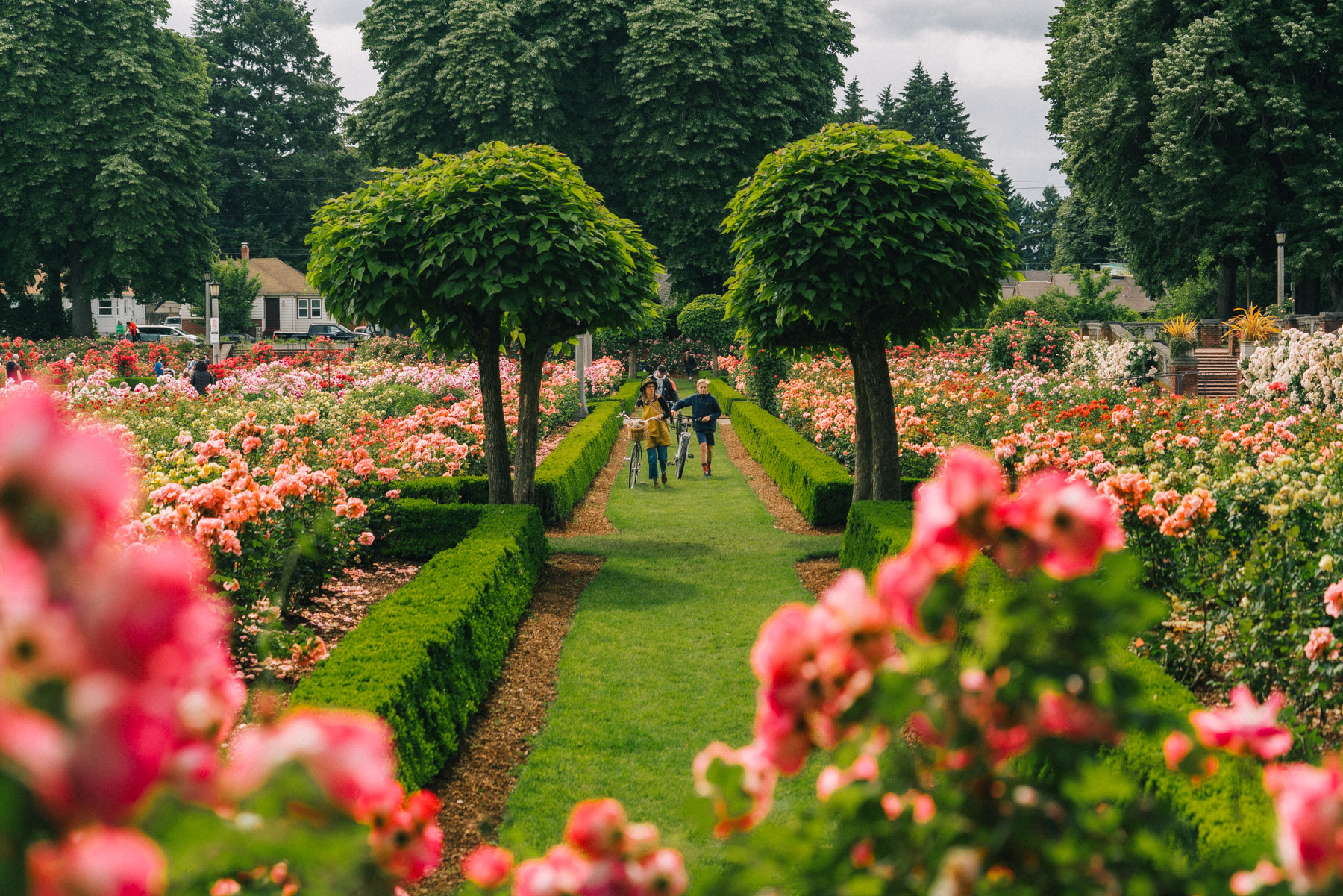
Peninsula Park in North Portland has Portland’s oldest public rose garden, and it’s honestly just as beautiful as the more famous International Rose Test Garden in Washington Park but with a fraction of the visitors. The sunken garden is gorgeous in June and July when the roses are in full bloom. The park also has a great community pool (one of the few outdoor pools in Portland, open in summer), a playground, and wide lawns that fill up with families on weekends. It’s a neighborhood gem that most visitors never find.
My pick, hidden gem
Peninsula Park.
Portland’s oldest public rose garden, and its sunken beds in June and July are every bit as good as the famous one in Washington Park, with a fraction of the visitors. Most tourists never find it, which is exactly why I love it.
Tom McCall Waterfront Park
Waterfront Park runs along the west bank of the Willamette River for about 1.5 miles through downtown Portland, and it’s the city’s gathering place. The Portland Saturday Market sets up here on weekends (March through December), summer festivals take over the lawns, and the paved path is one of the best places in the city for a run, walk, or bike ride. Combined with the Eastbank Esplanade across the river, you can do a 4-mile loop that gives you some of the best views in Portland.

Powell Butte Nature Park
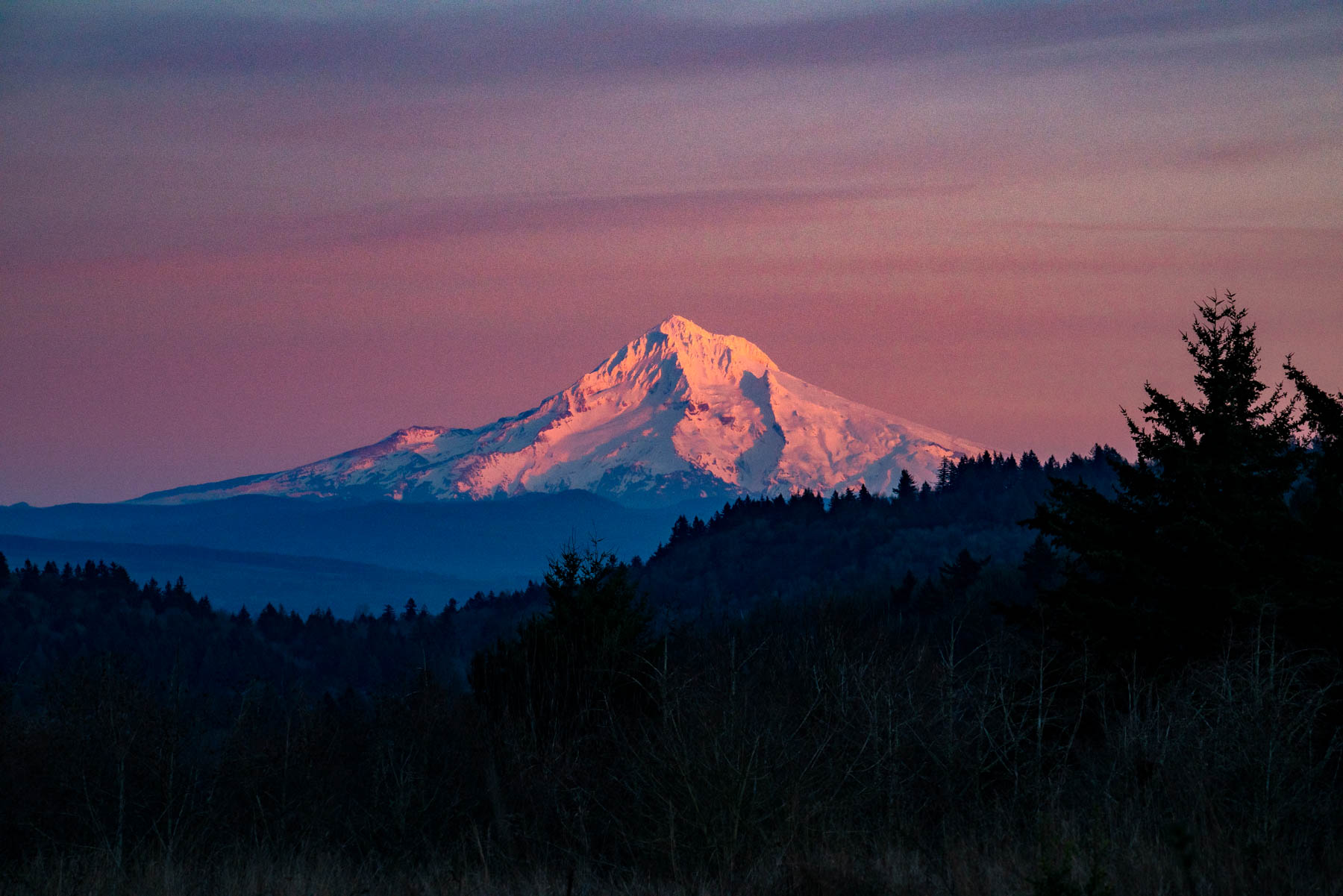
Powell Butte is a 611-acre nature park in outer Southeast Portland that most visitors (and many locals) don’t know about. The summit meadow has 360-degree views of the Cascades, and the park has miles of trails through forests, meadows, and wetlands. It feels like you’ve left the city entirely. The Mountain View Trail to the summit is about 3 miles round trip and offers some of the most expansive views in Portland. If you want a nature experience without driving to the Gorge, this is it.
Sellwood Riverfront Park
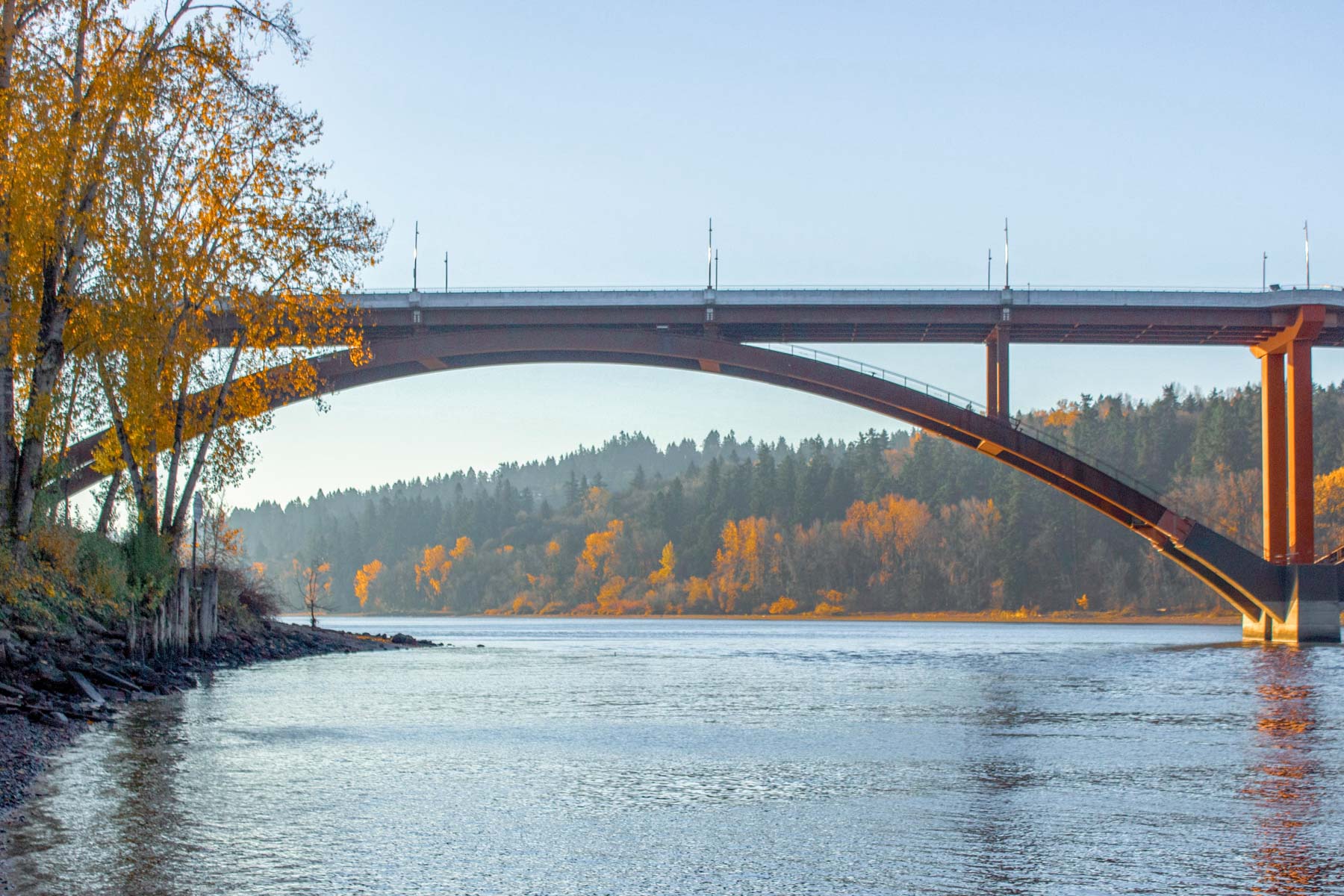
Sellwood Riverfront Park sits below the Sellwood Bridge on the east bank of the Willamette and is one of the best river access points in the city. In summer, this is where people launch kayaks and paddleboards, wade into the shallows, and set up for picnics with river views. The park connects to the Springwater Corridor trail, so you can walk or bike south along the river for miles. It’s quieter than the downtown waterfront and feels more like a neighborhood beach than a city park.
Tips for Visiting Portland Parks
Summer is peak season. Portland parks are best from June through September when the weather is dry and warm. The Rose Garden peaks in June and July. Forest Park trails are driest in summer.
Bring layers anyway. Even in summer, mornings can be cool (mid-50s), and Forest Park stays shaded and cooler than the rest of the city. Check my Portland packing guide for specifics.
Dogs are welcome almost everywhere. Most Portland parks allow dogs on leash, and many have dedicated off-leash areas. Laurelhurst, Mt. Tabor, and Forest Park are the most dog-friendly.
No parking fees at most parks. Washington Park has paid parking ($8/day), but most other Portland parks have free street or lot parking. Forest Park trailheads fill up on weekends, so arrive early.
Quick Tips
- For more outdoor activities, check my Portland hikes guide.
- For more on what to do nearby, check my Portland things to do guide.
- Combined with the Eastbank Esplanade across the river, you can do a 4-mile loop that gives you some of the best views in Portland.
- Powell Butte is a 611-acre nature park in outer Southeast Portland that most visitors (and many locals) don't know about.
- Check my Portland packing guide for specifics.
Frequently Asked Questions
What is the best park in Portland?
Forest Park is the most impressive for its sheer size and trail system. Washington Park has the most attractions (Rose Garden, Japanese Garden, zoo). For a neighborhood park experience, Laurelhurst is the best. For views, Council Crest and Mt. Tabor are unbeatable.
Is Forest Park free?
Yes. Forest Park is completely free to enter, and there are no parking fees at trailheads. The trails are open year-round from dawn to dusk. The only cost associated with the park area is the Japanese Garden ($22 admission), which is technically in Washington Park, not Forest Park.
Are Portland parks safe?
Yes. All the parks on this list are safe and well-used by locals. Forest Park can feel isolated on less-traveled trails, so stick to the popular routes if you’re solo. The downtown waterfront is busy and well-trafficked. Neighborhood parks like Laurelhurst and Peninsula Park are family-friendly and welcoming.
Portland’s parks are honestly one of the main reasons I love living here. A 5,200-acre forest inside the city, a park on a volcano, rose gardens that rival anything in Europe. They’re free, they’re beautiful, and they’re everywhere. What’s your favorite Portland park? Drop it in the comments.